John Deere Hy Gard Hydraulic Oil Specifications and Requirements
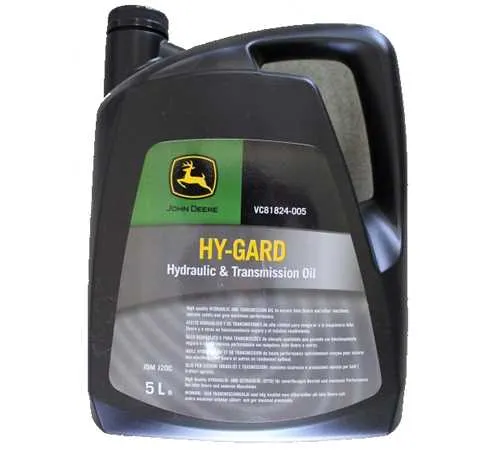
The John Deere Hy-Gard hydraulic oil is designed to meet the high demands of John Deere equipment, ensuring smooth operation and protection of key hydraulic systems. It is formulated to perform in a wide range of temperatures and provide superior protection against wear, rust, and corrosion. When selecting hydraulic oil for your John Deere machinery, choosing Hy-Gard guarantees optimal performance and longevity.
Hy-Gard is a multi-purpose fluid used in various John Deere machines, such as tractors, combines, and construction equipment. Its viscosity range and formulation are tailored to maintain fluidity in cold weather while providing adequate lubrication in high temperatures. The recommended viscosity grade for most machines is J20C, ensuring consistent performance under varying operational conditions.
For those operating in extreme conditions, John Deere offers an advanced version, the Hy-Gard Plus, which provides additional protection against high temperatures and extended service intervals. This oil meets the specifications set forth by John Deere and offers superior shear stability, preventing oil breakdown during heavy-duty use.
To maximize the lifespan of your equipment, regularly check the hydraulic oil level and replace it according to the maintenance schedule outlined in your machine’s operator manual. Using the correct fluid, such as Hy-Gard, helps maintain the efficiency of the hydraulic system and avoids costly repairs.
John Deere Hy Gard Hydraulic Oil Specifications
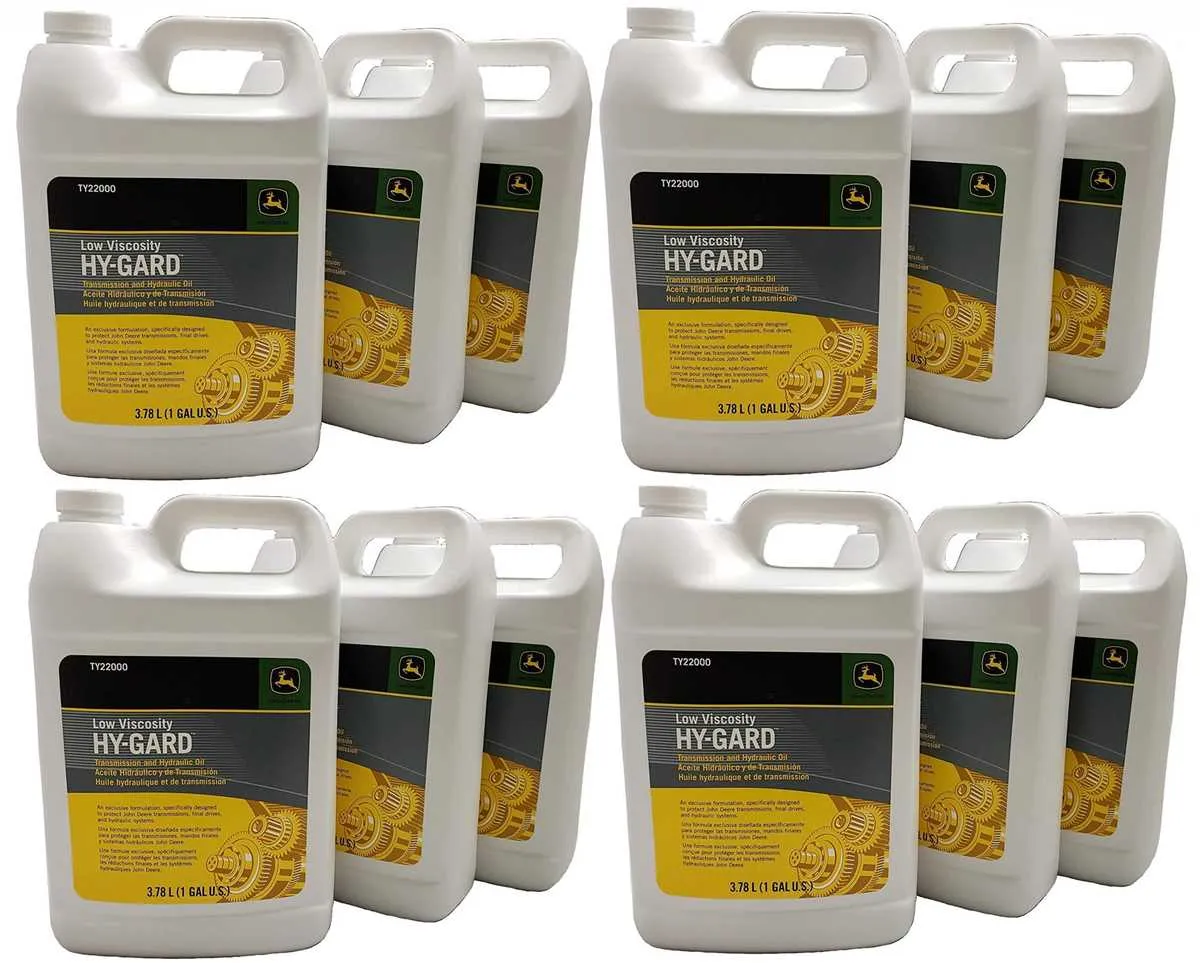
John Deere Hy Gard hydraulic oil is formulated for high performance in a variety of machinery, offering reliable protection against wear and corrosion. The oil is designed to meet the demands of both agricultural and construction equipment, ensuring smooth operation even under heavy loads. It provides excellent resistance to foaming and oxidation, extending the service life of hydraulic systems.
The oil’s viscosity grade is SAE 10W-30, making it suitable for a wide temperature range. The recommended operating temperature range is between -10°F to 95°F (-23°C to 35°C), ensuring that equipment remains operational in various conditions. Hy Gard is compatible with both wet and dry brakes, making it a versatile choice for John Deere tractors and combines.
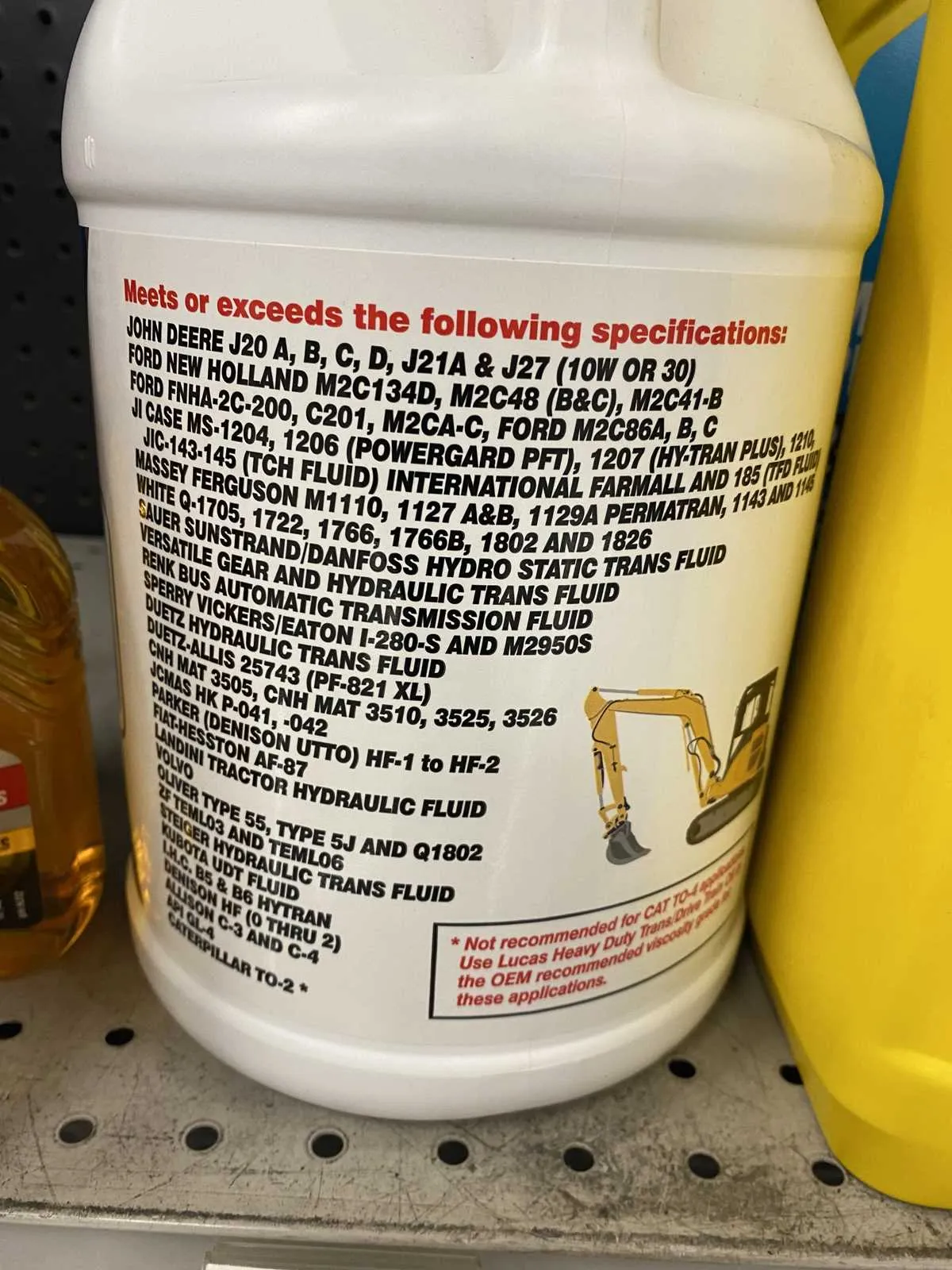
Hy Gard also features enhanced anti-wear properties that help reduce friction and wear in hydraulic components, improving efficiency and performance. The fluid is designed to meet or exceed the specifications outlined in John Deere’s J20C, J20D, and J14 standards, ensuring optimal compatibility with John Deere machinery.
The oil contains additives that protect against rust, oxidation, and foam, while also promoting smooth transmission operation. Its high-quality base stock ensures excellent stability, reducing the need for frequent oil changes. Regular use of John Deere Hy Gard hydraulic oil helps maintain the hydraulic system’s overall health, reducing downtime and service costs.
Choosing the Right Viscosity for John Deere Hy Gard Hydraulic Oil
For optimal performance, use the correct viscosity for John Deere Hy Gard hydraulic oil. The recommended viscosity grade is 10W-30 for most conditions. This ensures smooth operation across a wide temperature range, balancing performance and energy efficiency.
If operating in colder climates, consider using a 0W-30 or 5W-30 grade to ensure fluidity at low temperatures, minimizing wear during startup. In warmer conditions, a 15W-40 grade may be more suitable to maintain the oil’s integrity at higher temperatures while providing proper lubrication.
Always check your equipment’s manual for specific recommendations based on your model and operational environment. Adjusting the viscosity based on seasonal changes will enhance hydraulic efficiency and prolong component life. Proper oil maintenance, including regular oil changes, is key to avoiding system failure.
How to Properly Maintain and Change Hy Gard Hydraulic Oil in John Deere Equipment
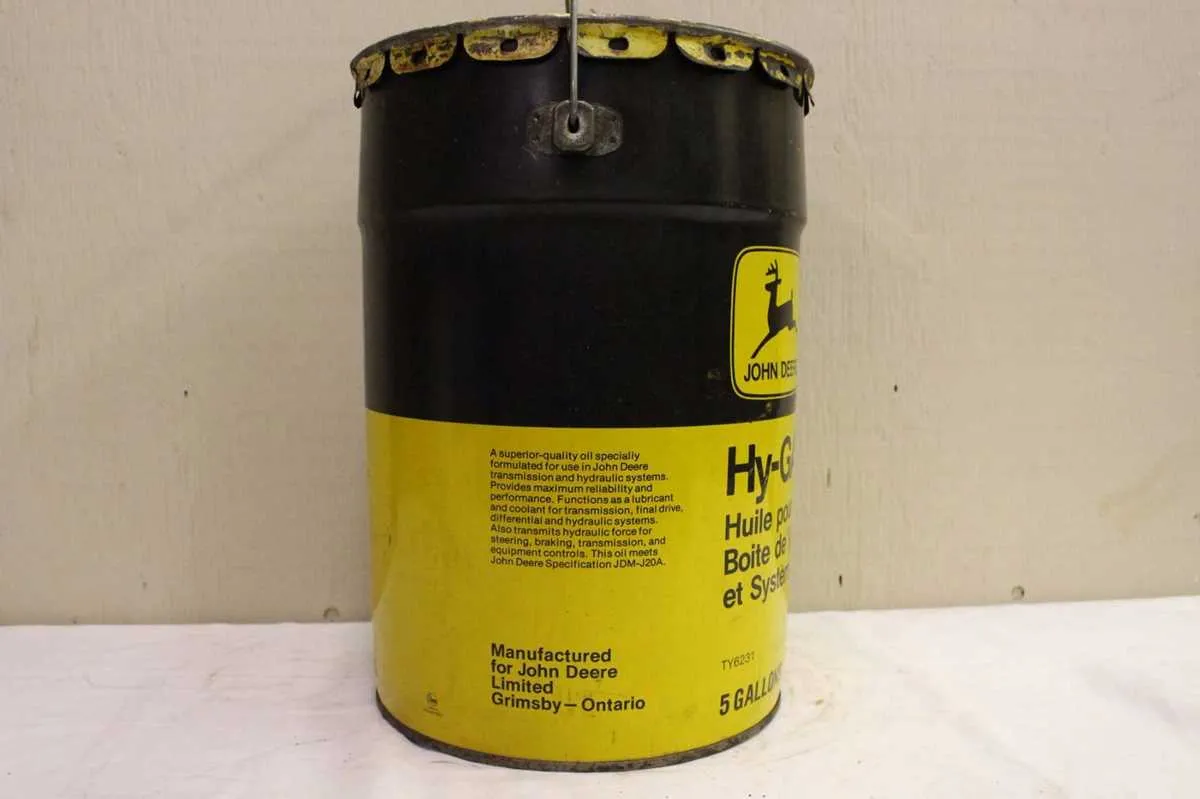
To maintain optimal performance in your John Deere equipment, replace the Hy Gard hydraulic oil regularly. This prevents wear and damage to your hydraulic system, ensuring smooth operation. Check the oil level and condition frequently. If the oil appears dark or contaminated, it’s time for a change.
Before changing the oil, ensure the equipment is parked on a level surface, and the engine is off and cool. Locate the hydraulic reservoir and use the drain plug to remove the old oil. Allow it to drain completely to avoid mixing old and new fluids. Be sure to dispose of the used oil properly according to local regulations.
Once drained, clean the filter and replace it if needed. Install the drain plug back securely before refilling with the recommended Hy Gard hydraulic oil. Fill the reservoir to the proper level as specified in the owner’s manual. Use a funnel to avoid spillage and ensure the oil flows smoothly into the system.
After refilling, run the equipment for a few minutes to allow the oil to circulate. Check the fluid level again after operation, as some oil may settle into the system. Add more if necessary to maintain the proper level. Regularly inspect the hydraulic system for leaks or unusual sounds that may indicate a problem.
By maintaining the correct oil level and replacing the oil at the recommended intervals, you can prolong the lifespan of your John Deere equipment and keep it running efficiently.
Signs of Degraded Hy-Gard Hydraulic Oil and When to Replace It
If your John Deere equipment is showing signs of performance issues, the hydraulic oil may be the culprit. Degraded Hy-Gard hydraulic oil can cause problems such as sluggish response, overheating, and internal wear. Here are clear indicators that it’s time to replace the oil:
- Decreased Performance: If the hydraulic system is slow to respond or lacks power, it often points to degraded oil. The oil’s ability to transfer pressure effectively diminishes over time, leading to system inefficiency.
- Increased Operating Temperature: Old oil loses its ability to dissipate heat, causing the system to overheat. Regularly check your system’s temperature–persistent high readings could signal the need for an oil change.
- Unusual Noises: Gritty or grinding sounds during operation can indicate that contaminants have entered the system. These particles can damage components, especially when oil viscosity drops.
- Visible Contaminants: Dark or cloudy oil is often a sign of contaminants like water, dirt, or wear particles. Check the oil’s color and consistency regularly. If it looks dirty or muddy, it’s time to replace it.
- Oil Leaks: If you’re noticing frequent leaks around hydraulic hoses or seals, it can result from degraded oil that has lost its sealing properties. This may also indicate the oil has become too thin and is unable to maintain proper pressure.
- Change in Oil Consistency: Oil that feels thicker or thinner than usual affects the entire hydraulic system’s function. As oil degrades, its viscosity changes, leading to inefficient operation and increased wear on parts.
Replace Hy-Gard hydraulic oil every 1,000 hours or at least annually, depending on usage. If you notice any of the above signs, don’t wait for further damage. Replace the oil immediately to keep your machinery running smoothly.