John Deere Skid Steer 326E Specifications and Key Features
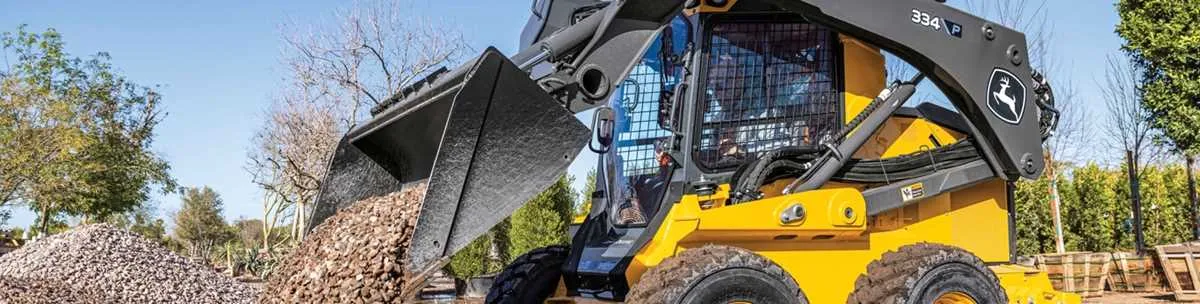
The John Deere 326E skid steer is built for power and efficiency, designed to handle tough tasks with ease. With an operating capacity of 2,100 pounds and a lift height of 120 inches, it excels in lifting and carrying heavy loads on rough terrain. The high breakout force ensures it can push, dig, and handle material with minimal effort.
Equipped with a 74-horsepower engine, the 326E provides strong performance, whether working on construction sites, landscaping projects, or clearing debris. Its fuel-efficient engine balances power and economy, reducing downtime and fuel costs, even during extended operations. Additionally, the machine’s compact design and low operating weight make it versatile in confined spaces, providing both agility and stability.
The operator experience is enhanced by the intuitive joystick controls and excellent visibility from the cabin. Comfort and productivity go hand in hand with the 326E, offering a smooth ride even when navigating rough ground. Whether it’s lifting materials or working with various attachments, this skid steer delivers precise control and dependable power for all kinds of work.
John Deere Skid Steer Specs 326E
The John Deere 326E skid steer offers powerful performance with a strong 74.3 horsepower engine, making it a reliable choice for tough tasks. With a lift capacity of 2,700 lbs, this model can handle heavy loads with ease, improving efficiency on the job site.
Its operating weight of 7,735 lbs strikes a balance between maneuverability and stability, ideal for both rough terrain and tight spaces. The 326E features a vertical lift design, allowing for greater reach and dumping height, ideal for loading trucks or accessing hard-to-reach areas.
The hydraulics are robust, offering a maximum flow of 23.8 gallons per minute, which enhances attachment versatility, from forks to buckets. This makes the 326E adaptable to various tasks, such as digging, lifting, and material handling.
The cabin is spacious, with a high-quality operator seat and intuitive controls, ensuring comfort during extended use. The easy-to-read display provides critical machine data, enabling quick troubleshooting and monitoring of performance.
For enhanced durability, the 326E features an advanced cooling system and a heavy-duty undercarriage, allowing for reliable operation in demanding environments. Whether on construction sites or in landscaping, the 326E excels at getting the job done efficiently.
Engine Specifications and Power Output of the John Deere 326E
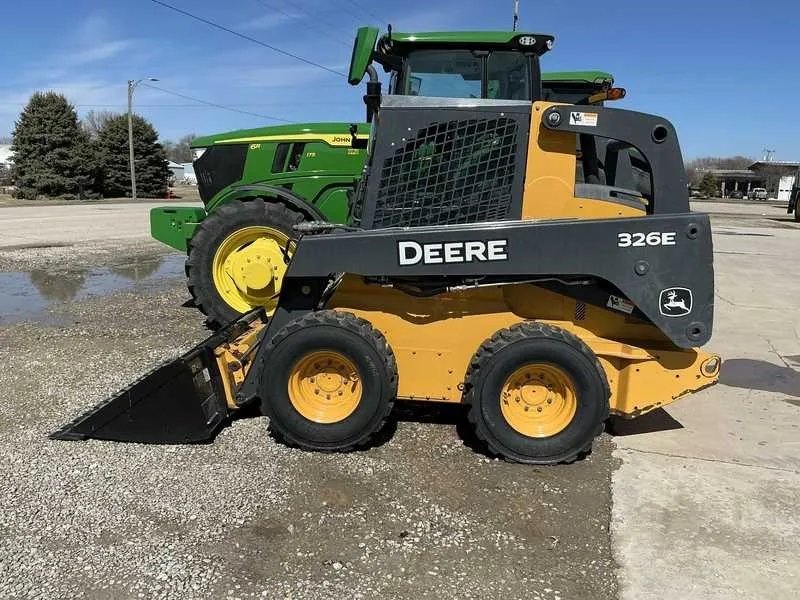
The John Deere 326E skid steer is equipped with a 2.4L diesel engine that offers impressive power for various tasks. The engine delivers 74 horsepower (55 kW), ensuring excellent performance in both heavy-duty and lighter applications.
Key Engine Specs:
- Engine type: 4-cylinder, turbocharged diesel
- Displacement: 2.4 liters
- Gross horsepower: 74 hp (55 kW)
- Net power: 70 hp (52 kW)
- Torque: 221 lb-ft (300 Nm)
- Fuel tank capacity: 22.5 gallons (85.2 liters)
- Cooling system: Liquid-cooled
The 326E’s engine is designed for both power and efficiency, making it capable of handling demanding tasks like lifting, digging, and pushing with ease. With a well-balanced combination of horsepower and torque, the machine ensures quick acceleration and the ability to operate in various terrains.
With a liquid-cooled engine and high torque output, the John Deere 326E provides durability and reliability during extended hours of operation. The skid steer is optimized for fuel efficiency, minimizing operational costs without sacrificing power.
Operating Capacity and Lift Performance of the John Deere 326E
The John Deere 326E skid steer delivers impressive operating capacity and lift performance, making it an ideal choice for a variety of tasks. With a rated operating capacity of 2,100 pounds, the 326E can handle heavy lifting without sacrificing stability or efficiency. This high capacity enables users to manage larger loads, reducing the need for multiple passes and improving overall productivity.
When it comes to lift height, the 326E offers a maximum vertical lift of 126.4 inches, providing excellent reach for loading trucks or clearing obstacles. The lift arms are designed for superior strength and durability, ensuring reliability in demanding applications. This skid steer also features a lift path that maintains a consistent height, allowing for precise loading and unloading operations.
Equipped with a powerful engine, the 326E can handle various lifting tasks with ease, offering smooth hydraulic performance. The standard auxiliary hydraulic flow is 16.9 gpm, which supports a wide range of attachments, enhancing versatility on the job site. Whether you’re working with a bucket, grapple, or pallet forks, the 326E delivers the necessary power to get the job done efficiently.
In short, the John Deere 326E combines a high operating capacity with robust lift performance, making it a reliable and efficient choice for demanding projects. Its ability to lift and move heavy loads with precision helps increase productivity and reduce operating time, providing significant value to operators in construction, landscaping, and agriculture sectors.
Maintenance and Service Guidelines for John Deere 326E Skid Steer
Change the engine oil every 250 hours or at least once a year, whichever comes first. Use a high-quality oil filter and fill with the recommended oil type (SAE 10W-30 or 15W-40, depending on climate). Always check the oil level before starting work to ensure proper lubrication and avoid engine damage.
Clean the air filter every 100 hours of operation. If the filter appears damaged or clogged, replace it immediately to maintain optimal engine performance. The air intake system should be checked regularly to prevent dirt and debris from entering the engine.
Inspect the hydraulic fluid and filter every 500 hours. Replace the hydraulic fluid if it becomes contaminated or degraded. Ensure the fluid is topped off to the recommended level, as low fluid can affect performance and cause overheating.
Lubricate the machine daily, focusing on the loader arms, bucket pivots, and other moving parts. Use the correct grease as specified in the operator’s manual. A daily greasing schedule helps reduce wear on key components and prolongs the machine’s life.
Check the tires for damage and wear every 100 hours or at the beginning of each shift. Keep them properly inflated to avoid uneven wear and improve fuel efficiency. Underinflated tires can cause unnecessary stress on the drivetrain and reduce machine performance.
Inspect the cooling system regularly. Ensure the radiator is free of debris, and check coolant levels. If the coolant is low or dirty, flush the system and refill with the appropriate mixture of coolant and water as outlined in the manual. A clean, well-maintained cooling system prevents overheating and engine failure.
Perform a visual inspection of the electrical system at least once a week. Look for loose connections, worn-out wires, and any signs of corrosion. Clean the battery terminals and check the battery voltage. If the battery charge is low, recharge or replace it promptly to avoid starting issues.
At 1,000 hours, check the fuel system. Replace the fuel filters and inspect fuel lines for leaks or damage. Use clean, fresh diesel fuel to avoid contamination in the system. Contaminated fuel can lead to clogging of fuel injectors and engine performance issues.
Inspect the cooling fan and radiator fins for any signs of damage or clogging every 250 hours. Keep the area around the engine clear of debris, as this can restrict airflow and lead to overheating. Clean the radiator fins regularly using compressed air or a soft brush.
Replace the hydraulic hoses and seals every 3,000 hours or at the first sign of leakage. Inspect the hoses frequently for wear and tear, ensuring they are free from cracks or abrasions that could cause a breakdown during operation.
Before long-term storage, drain all fluids, clean the machine thoroughly, and ensure all moving parts are lubricated. This will prevent rust buildup and maintain the skid steer’s integrity for future use.