John Deere Plus 50 II Oil Specifications and Performance Details
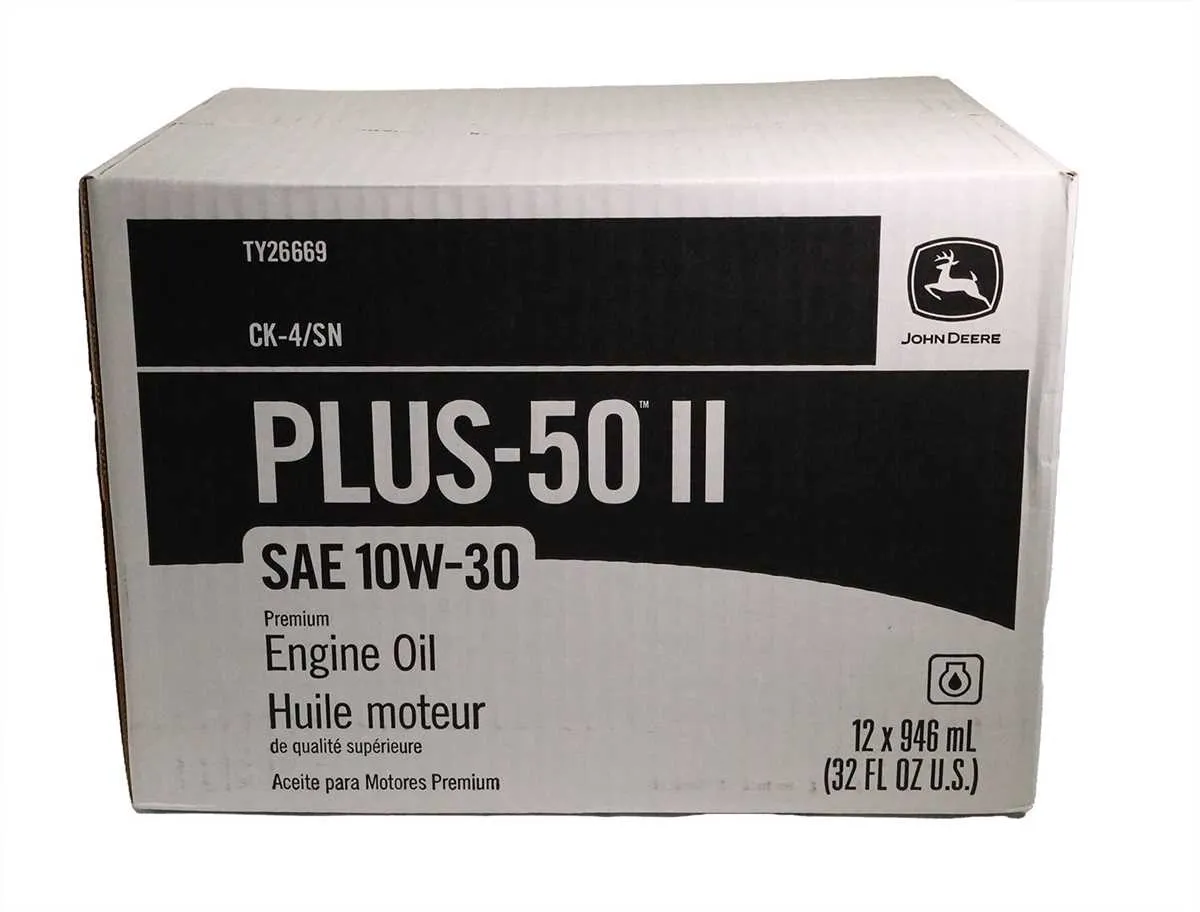
The John Deere Plus 50 II oil is designed for maximum performance in various heavy-duty applications. It ensures smooth engine operation even under extreme conditions. With enhanced protection against wear, corrosion, and oxidation, this oil helps prolong engine life.
The oil features advanced additives that improve fuel efficiency and reduce oil consumption. Its superior anti-foaming properties maintain consistent lubrication throughout the engine, even during high-stress operation. If you’re working with John Deere machinery, this oil supports both performance and reliability, making it ideal for high-performance engines.
For optimal results, change the oil according to manufacturer recommendations. Regular oil changes help maintain engine cleanliness and prevent buildup of harmful contaminants. If your equipment is operating in harsh conditions, consider more frequent oil changes to ensure continued protection.
John Deere Plus 50 II Specifications
John Deere Plus 50 II engine oil is designed to meet the performance needs of John Deere equipment. It delivers consistent performance across a range of operating conditions and temperatures, ensuring reliable engine protection. The oil’s formulation includes premium additives to prevent wear, reduce oxidation, and keep the engine clean.
The oil is suitable for both diesel and gasoline engines, with a viscosity grade of 15W-40. Its high detergent additives ensure that harmful deposits and sludge are kept under control, extending the life of the engine. This oil also offers excellent cold-start performance, making it ideal for year-round use, even in colder climates.
John Deere Plus 50 II is formulated to protect against oil degradation, ensuring longevity for engines operating under heavy loads. It meets API CH-4, CI-4, and CJ-4 service classifications, providing the highest standard for modern engine protection. Its high-quality base oils and advanced additive technology reduce wear and extend engine life, optimizing performance over extended periods of use.
For best results, it’s recommended to follow John Deere’s guidelines on oil change intervals and ensure that oil is changed based on the specific engine’s usage and load conditions. Regular maintenance with John Deere Plus 50 II ensures the engine operates smoothly and efficiently over its entire service life.
Viscosity Grades and Oil Performance Characteristics

The John Deere Plus 50 II oil provides optimal performance at different viscosity grades, ensuring engine protection under varying operating conditions. The multi-grade oils, such as 15W-40 and 10W-30, adapt to both high and low temperatures, allowing the engine to maintain efficiency throughout the year.
Viscosity grade indicates the oil’s resistance to flow. Lower viscosity oils, like 10W-30, flow more easily at low temperatures, while higher viscosity grades, such as 15W-40, offer greater protection at higher temperatures. Choosing the correct grade depends on the operating environment. For colder climates, 10W-30 is more suitable, while in warmer areas, 15W-40 ensures better engine performance and protection.
Oil performance characteristics are determined by the base oils and additives in the formulation. John Deere Plus 50 II is designed to reduce wear and tear, maintain engine cleanliness, and ensure long-lasting engine protection. Its additives improve oxidation stability and help prevent the formation of sludge, which can degrade engine performance.
When selecting the appropriate oil grade, always consult the engine’s manual to align with the specific temperature range and operating conditions. Regular oil analysis can also help in adjusting oil changes and ensuring optimal engine health over time.
Applications for John Deere Plus 50 II Oil in Equipment
John Deere Plus 50 II oil is designed for use in a variety of heavy-duty equipment. It offers superior performance and durability in engines that operate under high-stress conditions. It is particularly suited for use in agricultural machinery, construction equipment, and forestry vehicles that require high levels of protection against wear and corrosion.
For tractors and combines, this oil helps maintain engine efficiency, extending the lifespan of critical components. It reduces the buildup of contaminants, which is crucial in farming equipment that works in challenging environments. Its ability to withstand high temperatures and resist sludge formation ensures optimal performance during long hours of operation.
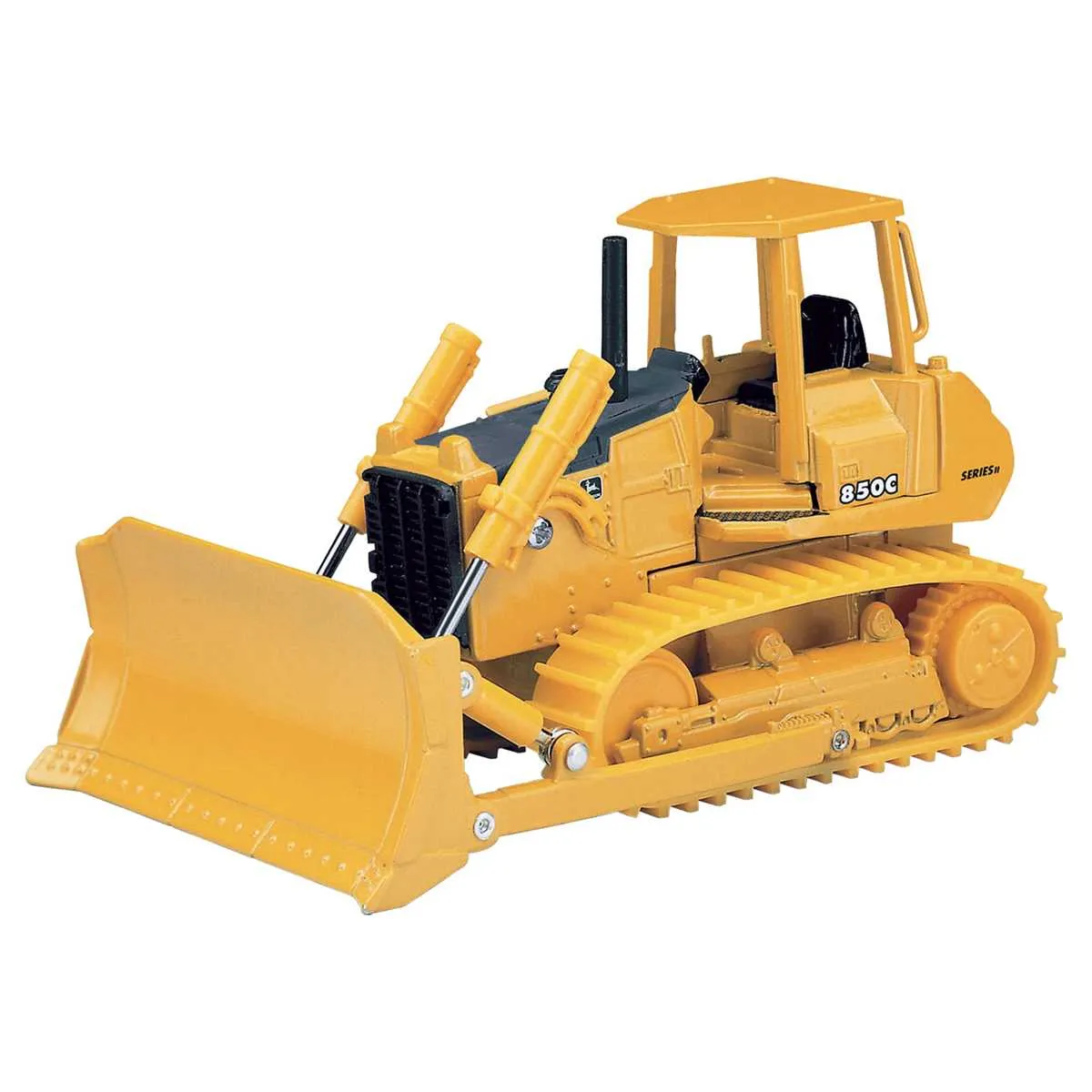
In construction machines such as bulldozers and excavators, the oil’s robust formulation protects against wear caused by high torque and extreme pressure, common in these heavy-duty machines. Regular use of John Deere Plus 50 II oil helps maintain smooth operation and reduces maintenance costs over time.
For forestry equipment like skidders and feller bunchers, John Deere Plus 50 II provides the necessary protection to engines exposed to the elements and tough working conditions. The oil’s high viscosity ensures that moving parts stay lubricated even in harsh climates, helping to avoid premature wear and extending service intervals.
In all applications, this oil’s high detergency properties keep the engine clean, preventing the buildup of harmful deposits. It also ensures that the engine operates at peak performance, reducing fuel consumption and emissions, which are crucial in industries focused on sustainability and efficiency.
Compatibility with Engine Types and Maintenance Guidelines
John Deere Plus 50 II oil is compatible with a wide range of engine types, including diesel, gasoline, and mixed-fuel engines commonly used in agricultural and industrial equipment. It is specifically designed to enhance performance and protect against wear under demanding conditions.
For optimal engine performance, adhere to these maintenance guidelines:
- Check Oil Level Regularly: Ensure oil levels are within the recommended range to prevent engine strain and maintain lubrication efficiency.
- Oil Change Intervals: Change the oil at intervals specified by the engine manufacturer, typically every 100 to 250 hours of operation, depending on conditions.
- Use Appropriate Viscosity: Choose the right viscosity grade for your engine’s operating temperature. Refer to the engine manual for guidance on seasonal viscosity recommendations.
- Monitor Engine Performance: Regularly inspect engine operation for signs of overheating, irregular noises, or poor fuel efficiency. These may indicate the need for an oil change or maintenance check.
- Filter Replacement: Replace oil filters as recommended by the manufacturer, typically at every oil change, to ensure contaminants are effectively removed from the system.
Proper adherence to these practices ensures the longevity and reliability of both the oil and engine performance.