John Deere Marine Engines Auxiliary Drive Specifications and Features
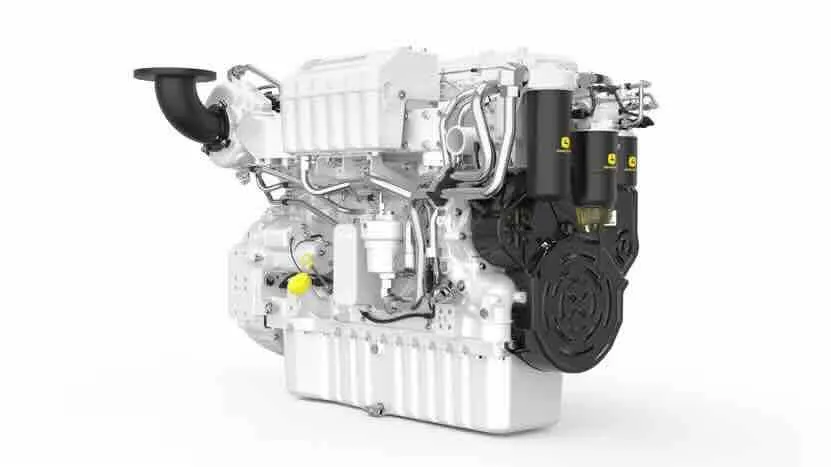
When selecting a John Deere marine engine, the auxiliary drive is a key component to consider. The auxiliary drive provides power to various auxiliary systems, such as alternators, pumps, and compressors, which are essential for the engine’s operation. It’s critical to understand the exact specifications to ensure compatibility with the equipment on board.
The John Deere marine engines offer different auxiliary drive options depending on the model and application. For instance, the drive system’s power output is measured in horsepower and varies between different engine configurations. Specific mounting options and shaft dimensions are also available to accommodate various systems, making it easy to customize for specific needs.
For optimal performance, make sure to match the auxiliary drive system with the engine’s capacity. The drive should be able to handle the full load without straining the engine. For example, engines with higher power outputs typically require more robust auxiliary drives that can supply higher torque to drive multiple systems simultaneously.
Regular maintenance of the auxiliary drive system is necessary to avoid performance degradation. Check for wear on the drive components and ensure that the drive belts are properly tensioned. This will ensure smooth operation and reduce the likelihood of mechanical failure, which can lead to costly repairs.
John Deere Marine Engines Auxiliary Drive Specifications
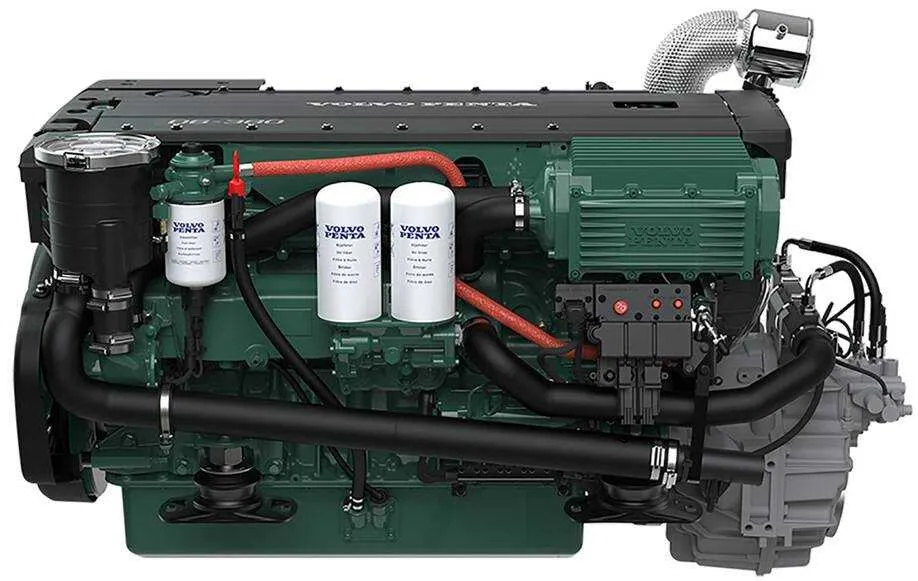
John Deere marine engines feature a robust auxiliary drive system that powers additional equipment like pumps and alternators. These drives are engineered for high performance and reliability under marine conditions, ensuring efficient operation for various maritime applications.
The auxiliary drive is directly linked to the engine crankshaft, ensuring a consistent power supply for auxiliary functions. The design supports both belt-driven and gear-driven systems, offering flexibility depending on the specific marine engine model. Below are key specifications:
- Drive Type: Typically gear-driven, providing direct power transfer from the engine.
- Power Output: Varies by engine model, with a range from 15 to 40 kW, depending on the engine’s power rating.
- RPM Range: Auxiliary drives generally operate within a range of 1,000 to 2,500 RPM, synchronized with the engine’s operational speed.
- Mounting Configuration: Both front and rear mounting options are available, ensuring compatibility with a variety of marine engine installations.
- Cooling Type: Integrated with the engine’s cooling system for temperature regulation during operation, preventing overheating during extended use.
- Torque Capacity: Torque varies based on engine size and application, ranging from 100 to 200 Nm.
For optimal performance, ensure the auxiliary drive is properly maintained, with regular inspections and proper alignment to avoid power loss and mechanical issues. The system is designed for longevity, but wear and tear over time may require part replacements or adjustments.
When selecting an auxiliary drive for your John Deere marine engine, it’s crucial to match the specifications to the engine model to avoid compatibility issues and ensure peak performance in various marine environments.
Key Technical Features of John Deere Auxiliary Drives
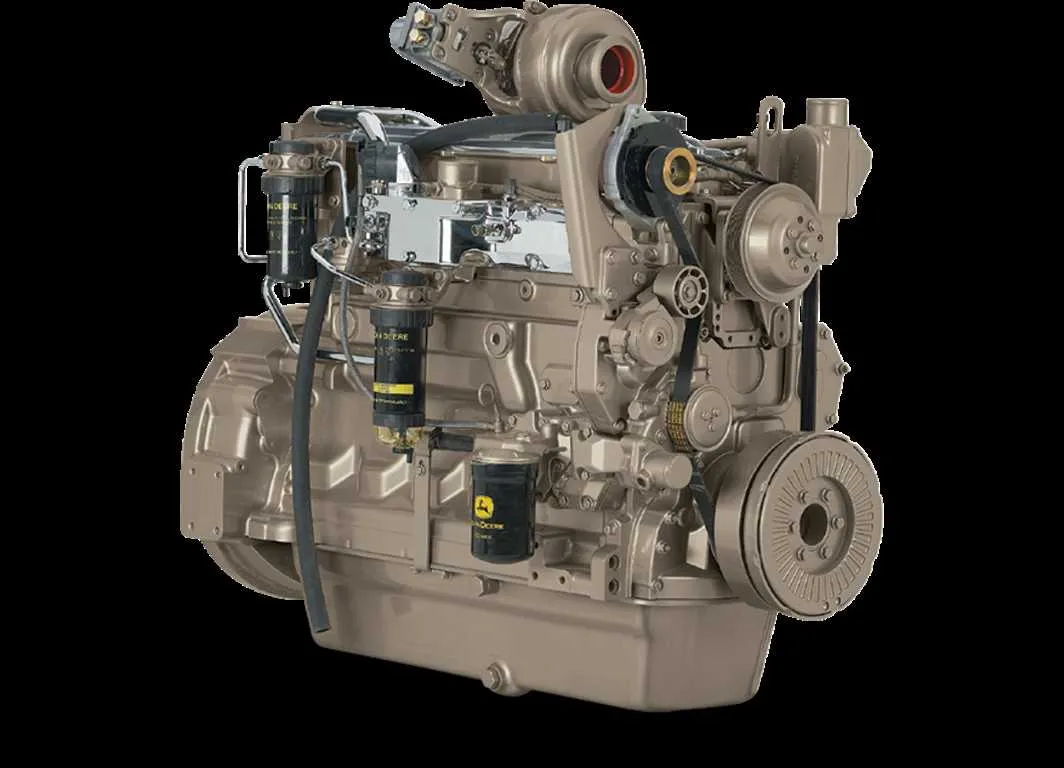
John Deere auxiliary drives are designed to deliver reliable performance in marine applications, with a focus on durability and efficiency. The drives are engineered to handle high torque and demanding conditions without compromising engine functionality.
The auxiliary drive system uses a robust gear-driven mechanism, offering direct power transfer from the engine to auxiliary equipment such as pumps, generators, and compressors. This design ensures seamless integration with the engine’s main drive system, providing consistent performance under various operational loads.
The power take-off (PTO) options are customizable, allowing for flexible installation of various auxiliary equipment. The PTO is built to provide stable and reliable power, ensuring smooth operation of marine machinery. These drives are compatible with a wide range of auxiliary systems, making them versatile across different marine setups.
John Deere auxiliary drives are also designed for easy maintenance, with accessible components and long service intervals. This reduces downtime and ensures the system remains operational over extended periods, even in harsh marine environments.
In addition to mechanical robustness, the auxiliary drives are engineered to minimize vibration and noise, which enhances operational comfort for both the crew and the machinery. This feature is especially important in noise-sensitive marine applications.
Performance and Compatibility of John Deere Marine Auxiliary Drives
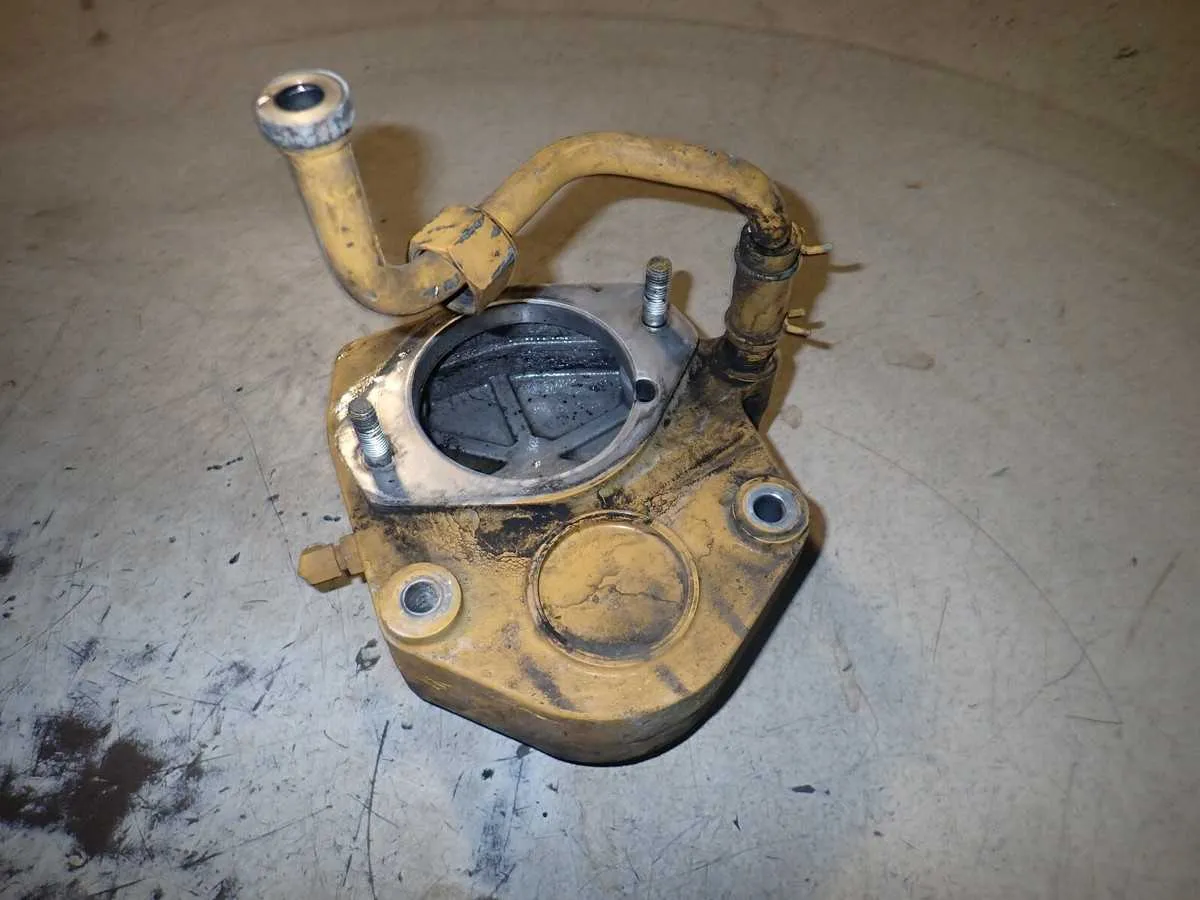
John Deere marine auxiliary drives deliver reliable and high-performing solutions for various marine applications. Their performance is optimized for integration with marine engines, providing seamless power transmission. Designed for durability, these drives are built to withstand harsh marine environments, ensuring consistent performance over time.
These auxiliary drives are compatible with a wide range of John Deere marine engines, offering flexible options for both new installations and retrofits. Their compact design allows for easy integration into tight spaces, making them ideal for vessels of different sizes. Additionally, they are engineered to minimize maintenance, reducing downtime and operational costs.
When selecting an auxiliary drive, it’s important to consider the engine model and specific vessel requirements. John Deere’s auxiliary drives are designed to work with engines ranging from 4045 to 6090 series, ensuring that each drive meets the power demands of the engine and vessel. Matching the right drive to the engine model enhances overall system efficiency and reliability.
For optimal performance, ensure the auxiliary drive is aligned with the engine’s power output and torque specifications. This alignment ensures smooth power transfer and prevents unnecessary strain on the engine. Regular inspections and timely maintenance are recommended to keep the system running at peak efficiency.
John Deere also offers customizable configurations for auxiliary drives, allowing for tailored solutions to meet specific vessel needs. Whether used for power take-off applications or hydraulic systems, these drives provide versatile support for various marine operations.
Maintenance and Durability Considerations for John Deere Auxiliary Drives
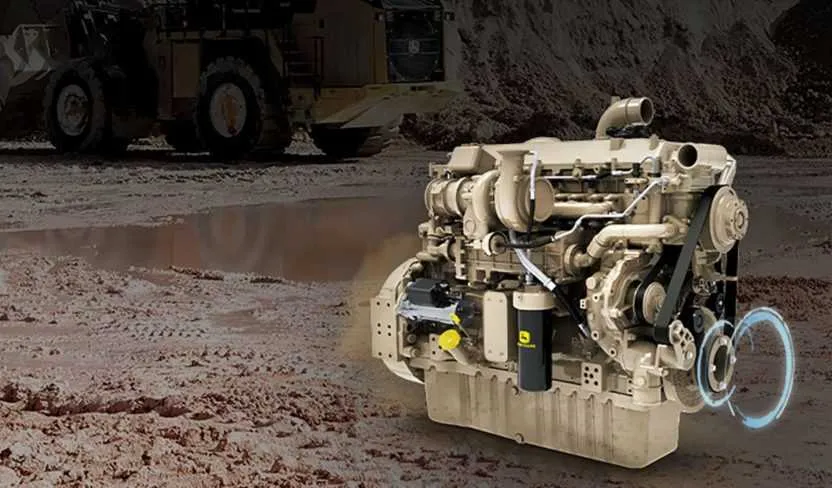
Regular maintenance is key to maximizing the lifespan of John Deere auxiliary drives. Inspecting the drive system for wear and tear every 500 operating hours is recommended. Focus on checking seals, bearings, and belts for signs of damage or excessive friction. Address any issues early to prevent major failures.
Change the drive oil at intervals specified by the manufacturer, typically every 1,000 hours. Using high-quality oil will prevent buildup of contaminants that can compromise the drive system. Regularly check for any leaks and ensure that fluid levels remain stable to avoid system malfunctions.
Be proactive in cleaning the system. Dust and debris can accumulate over time, reducing the efficiency of the drive. Using compressed air or a soft cloth to clean the drive components helps maintain proper functioning. Avoid harsh chemicals that could damage seals or other sensitive parts.
When operating in extreme conditions, such as high humidity or saltwater environments, corrosion is a major concern. Apply protective coatings to prevent rust buildup, especially on exposed parts like the drive shaft. Saltwater can accelerate corrosion, so rinsing the system after use in such conditions can extend its durability.
Check the alignment of the auxiliary drive regularly. Misalignment can cause uneven wear and reduce the efficiency of the system. Ensure that all components are tightly secured to avoid unnecessary vibrations that could lead to premature failure.