John Deere Gator Torque Specifications for Optimal Performance and Maintenance
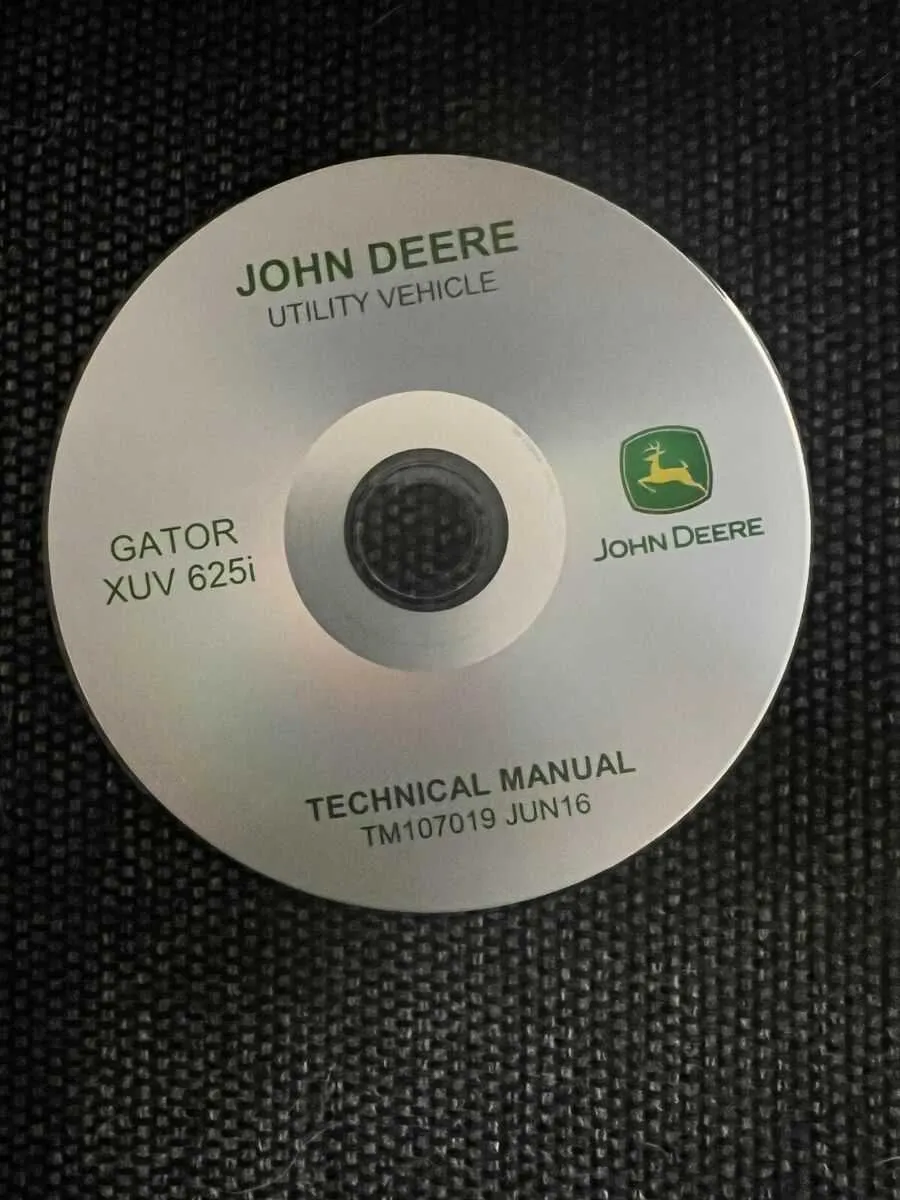
For optimal performance and longevity of your John Deere Gator, adhering to the correct torque specifications during maintenance and repairs is crucial. Whether you’re working on the engine, suspension, or other key components, tightening bolts to the right torque ensures parts are secured without causing damage to threads or seals. The right torque also helps in preventing mechanical failures that could disrupt your Gator’s performance.
Each model of the John Deere Gator may have slightly different torque requirements, so always consult the operator’s manual for the exact specifications. Common torque settings include values for the wheel lug nuts, engine components, and various chassis bolts. For instance, the wheel lug nuts often require tightening to around 40-50 ft-lbs, while the engine head bolts might need to be torqued to 60-70 ft-lbs depending on the model.
Incorrect torque can lead to over-tightening, which risks damaging threads and gaskets, or under-tightening, which can result in loose components. To achieve the best results, use a calibrated torque wrench to apply the correct amount of force. Always double-check your work and, when necessary, re-torque bolts after the first use to ensure nothing has loosened.
John Deere Gator Torque Specs
When working on your John Deere Gator, it’s important to follow the manufacturer’s torque specifications to ensure everything runs smoothly and safely. Below are the key torque values for various components of the Gator. Always use a calibrated torque wrench to prevent over-tightening or under-tightening.
- Engine Cylinder Head Bolts: 30-35 ft-lbs (41-47 Nm)
- Crankshaft Pulley Bolt: 70-75 ft-lbs (95-102 Nm)
- Oil Drain Plug: 18-22 ft-lbs (24-30 Nm)
- Front Suspension Arm Bolts: 40-45 ft-lbs (54-61 Nm)
- Rear Suspension Arm Bolts: 40-45 ft-lbs (54-61 Nm)
- Steering Knuckle Bolts: 45-50 ft-lbs (61-68 Nm)
- Wheel Lug Nuts: 60-65 ft-lbs (81-88 Nm)
- Battery Cable Bolts: 15-20 ft-lbs (20-27 Nm)
- Drive Belt Pulley Bolt: 60-70 ft-lbs (81-95 Nm)
- Fuel Filter Bolts: 12-15 ft-lbs (16-20 Nm)
For each task, always double-check the manual for your specific Gator model, as torque specs can vary slightly between different years and versions. If in doubt, use the lower end of the torque range to prevent damage to parts.
Maintaining the correct torque ensures optimal performance and longevity of your vehicle’s components. Regularly inspect the bolts and fasteners for any signs of wear or loosening to avoid costly repairs down the line.
Torque Specifications for Engine Components on John Deere Gator
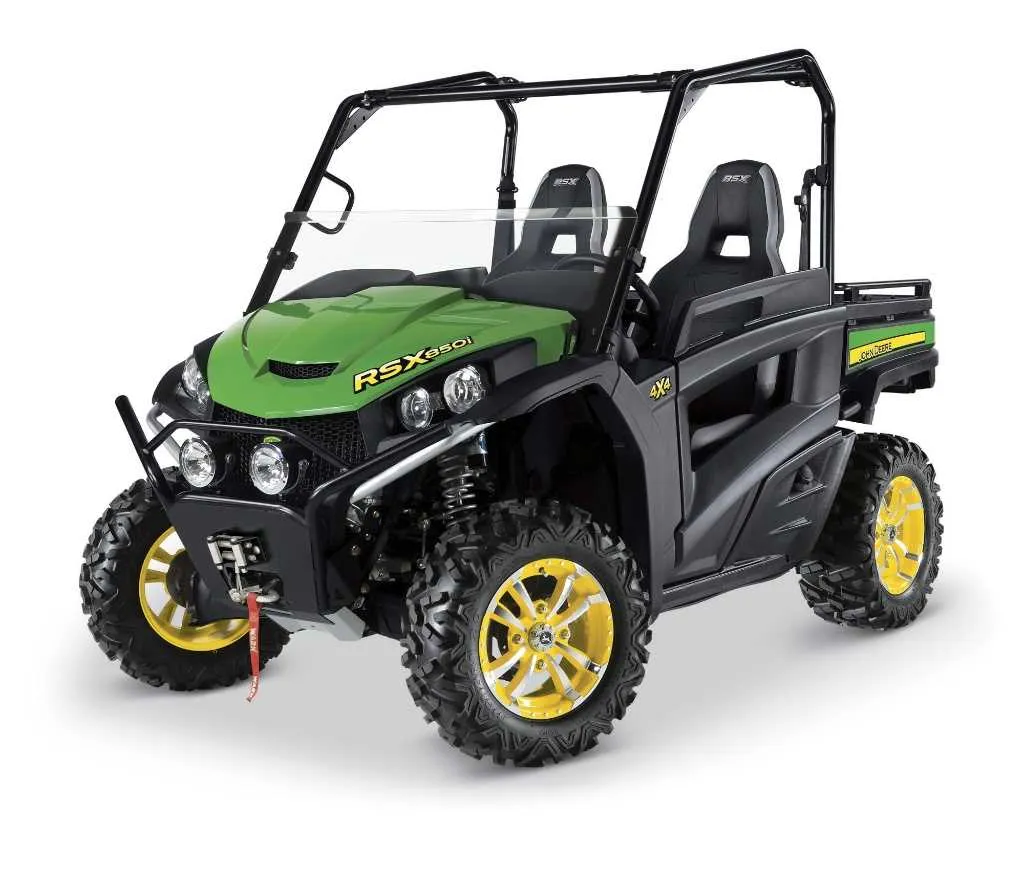
The engine components on a John Deere Gator require precise torque settings to ensure proper performance and longevity. Below are the torque specifications for various engine parts:
Head Bolts: Tighten the cylinder head bolts to 45 ft-lb (61 Nm) in a three-step sequence. Start at 30 ft-lb (41 Nm), then 38 ft-lb (51 Nm), and finally, 45 ft-lb (61 Nm). Ensure even pressure to avoid gasket damage.
Crankcase Bolts: Torque the crankcase bolts to 25 ft-lb (34 Nm). This ensures a proper seal without over-tightening, which could damage the threads.
Flywheel Bolts: Tighten the flywheel bolts to 60 ft-lb (81 Nm). Use a torque wrench to avoid damaging the flywheel or crankshaft.
Camshaft Sprocket Bolt: Set the camshaft sprocket bolt torque to 40 ft-lb (54 Nm). Be sure to follow the recommended sequence for even tightening.
Oil Filter: Tighten the oil filter to 10 ft-lb (14 Nm). Over-tightening can damage the filter, making it difficult to remove later.
Valve Cover Bolts: Torque valve cover bolts to 8 ft-lb (11 Nm). Apply in a crisscross pattern to ensure an even seal.
Always check these torque specifications before reassembling the engine components. Incorrect torque can lead to engine damage or performance issues.
How to Properly Torque the Suspension Bolts on John Deere Gator
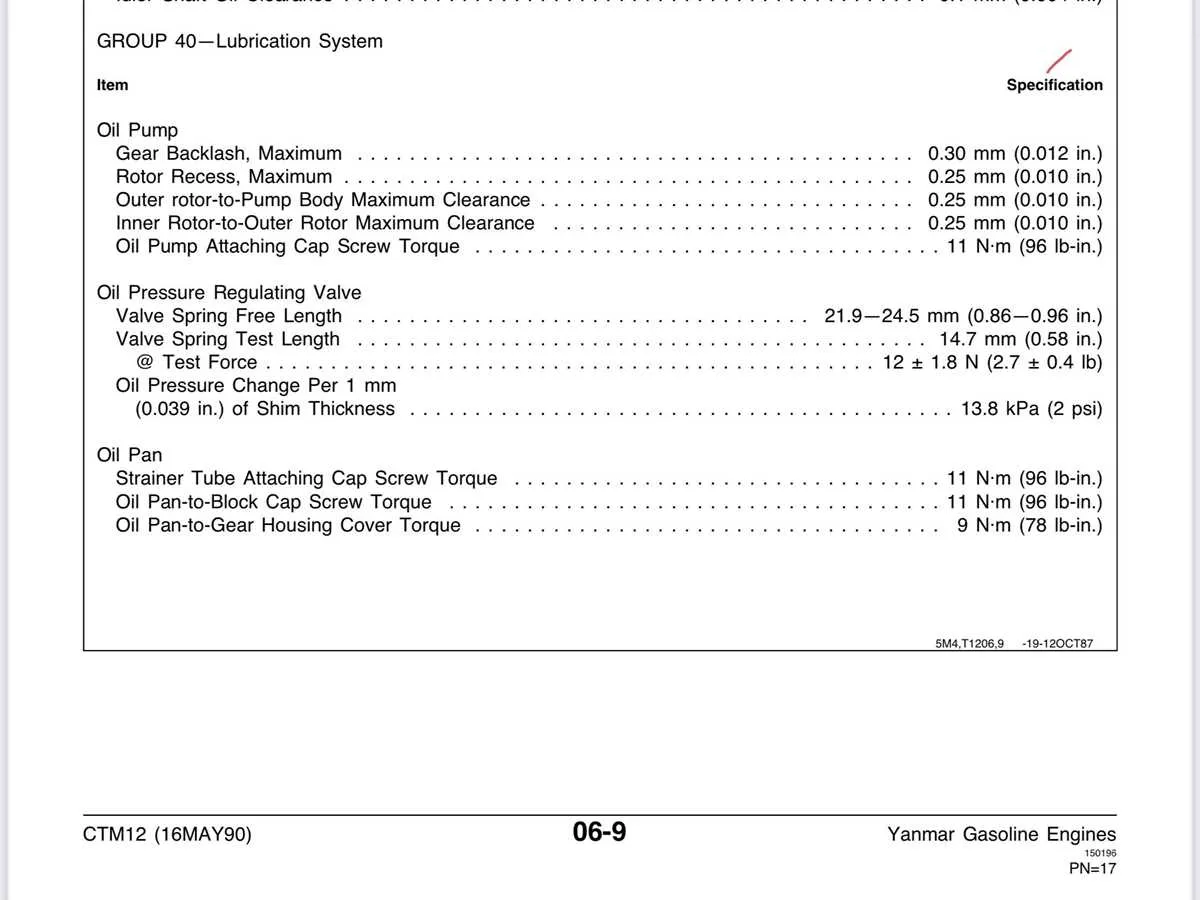
Begin by tightening the suspension bolts to the manufacturer’s specified torque settings. For the John Deere Gator, most suspension bolts should be torqued to 35-40 ft-lbs. This ensures a secure fit without over-tightening, which can cause damage to the components.
Use a calibrated torque wrench to apply the correct force. Always tighten bolts in a criss-cross pattern to distribute pressure evenly across the suspension components. Start from the center and work your way out to prevent misalignment.
Double-check the torque after a few uses. Suspension bolts can loosen slightly over time, especially after heavy use. Performing periodic checks and re-tightening to the specified torque will keep the suspension system operating smoothly.
If you’re replacing suspension components, apply anti-seize lubricant to the threads of the bolts before torquing. This prevents corrosion and ensures easy removal for future maintenance.
Lastly, refer to the owner’s manual for any specific torque settings for your Gator model, as these can vary slightly depending on the year or configuration.
Guidelines for Torqueing Transmission and Differential Fasteners on John Deere Gator
For accurate performance and durability, torqueing transmission and differential fasteners correctly is critical on the John Deere Gator. Use the following guidelines to ensure proper fastening.
Start by setting your torque wrench to the recommended specifications. For the transmission, most fasteners should be torqued to 30-35 ft-lbs. For the differential, the torque setting is typically between 25-30 ft-lbs. These settings ensure that the parts are securely attached without the risk of over-tightening, which could damage the threads or components.
Make sure to tighten fasteners in a crisscross pattern to distribute the torque evenly. This helps prevent warping or misalignment of parts. Tighten each fastener gradually, working from the center outwards or in a spiral pattern, depending on the component.
Use a clean, calibrated torque wrench to verify accuracy. If the wrench is not calibrated, you risk incorrect torque application, which can lead to either loose components or damage due to over-tightening.
After torquing, double-check all fasteners. Vibration from normal operation can cause fasteners to loosen over time. It’s a good idea to inspect and re-torque the fasteners periodically to maintain optimal performance.
Lastly, always consult the John Deere Gator service manual for any model-specific variations or updates on torque specifications. Following these guidelines helps maintain the Gator’s efficiency and extends the life of its transmission and differential systems.