John Deere Power Unit Specifications and Key Features for Optimal Performance
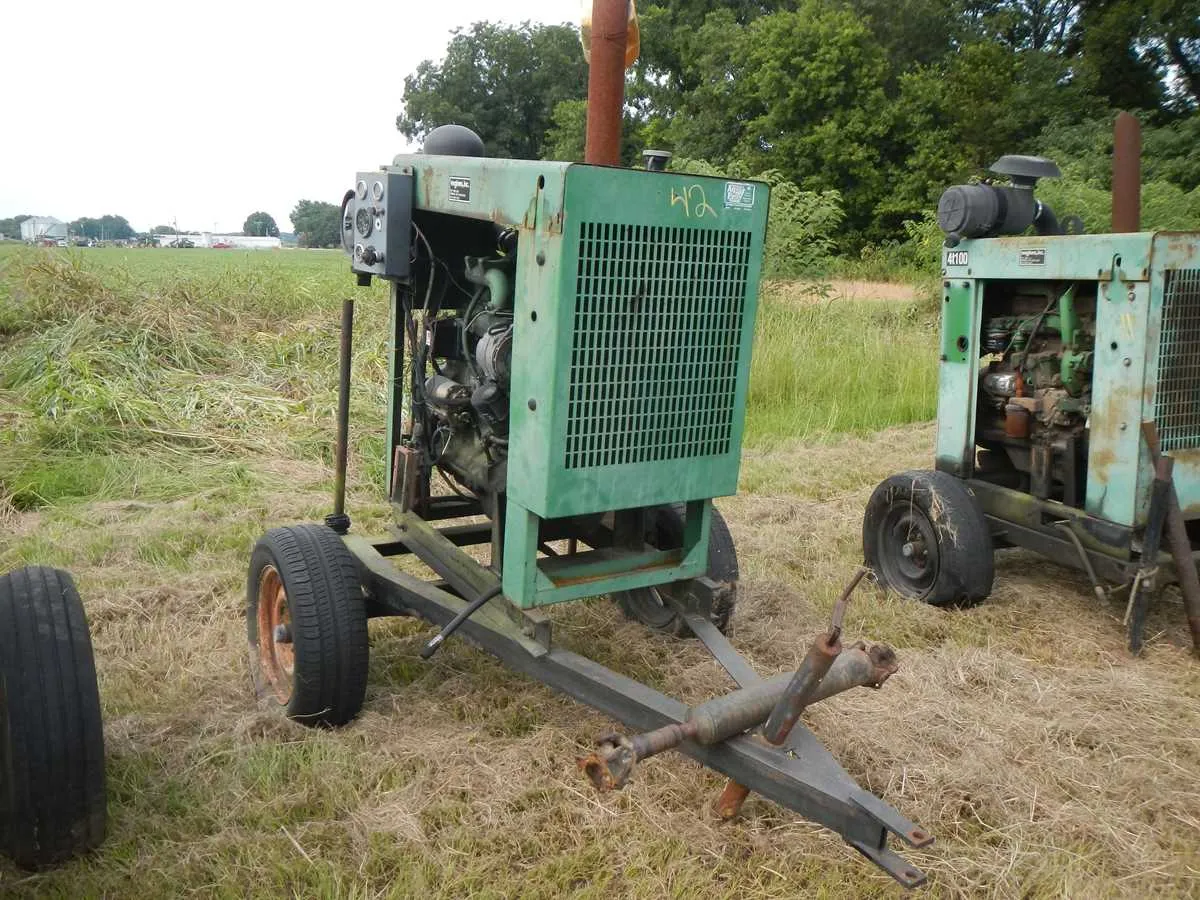
If you’re searching for a reliable and powerful unit for your next heavy-duty project, the John Deere power unit is a great choice. With a focus on performance, efficiency, and durability, John Deere offers specs that cater to a wide range of industrial needs. These power units combine robust engines with advanced features, making them highly suitable for construction, agriculture, and various other sectors.
The John Deere 4045D power unit, for instance, boasts a 4.5L, 4-cylinder engine with a power output of 99 horsepower at 2,200 rpm. Its turbocharged design improves fuel efficiency and overall performance, ensuring you get the most out of every operation. With a peak torque of 330 lb-ft at 1,500 rpm, this unit can handle demanding tasks with ease, from powering agricultural machinery to running heavy equipment.
In terms of fuel efficiency, the John Deere power unit shines. The 4045D model offers advanced fuel-injection technology that reduces fuel consumption without compromising power. This makes it an excellent choice for long shifts, where maximizing fuel efficiency is key to keeping operating costs low.
Maintenance is another strong suit of John Deere power units. Designed with ease of service in mind, the engine components are easily accessible, reducing downtime. The use of high-quality materials ensures longevity and reduces the frequency of repairs, allowing you to get more work done with minimal interruptions.
John Deere Power Unit Specs
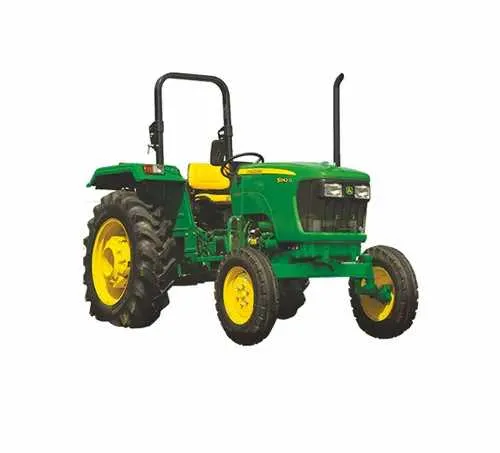
The John Deere power unit is designed for reliable performance across various industries. With a focus on efficiency and durability, these units come equipped with advanced engine technologies that provide superior fuel efficiency and low emissions. Their power range typically starts at 30 horsepower and can go up to 500 horsepower, making them suitable for both light and heavy-duty applications.
These units feature high-torque engines, ensuring optimal performance under load. The engines are built with a robust cooling system, designed to operate under harsh conditions, while maintaining low operating temperatures. The power units are also equipped with high-quality filtration systems that improve engine longevity and reduce maintenance needs.
John Deere power units are available in both diesel and gas-powered models, allowing for flexibility depending on the specific power demands. Diesel models are preferred for larger, long-running operations due to their fuel efficiency and lower operating costs. Meanwhile, gas models are often used in lighter, more mobile setups where space and weight are a concern.
The integration of advanced electronic controls in these power units provides precise fuel management, enhancing the overall efficiency and reducing the likelihood of downtime. These systems also monitor engine health, offering real-time diagnostics that help predict maintenance needs and reduce unexpected failures.
Additionally, John Deere power units are compatible with a variety of attachments and auxiliary systems, allowing for easy integration into different industrial setups. Whether it’s powering agricultural equipment, construction machinery, or auxiliary systems in manufacturing, the versatility of John Deere power units stands out.
Engine Performance and Power Output for Agricultural Machinery
The engine power output for agricultural machinery directly impacts the performance and efficiency of farming tasks. John Deere power units, known for their reliability, offer a range of horsepower options that cater to varying operational needs. These engines are engineered for optimal torque and power delivery, providing consistent performance in tough field conditions.
John Deere’s latest power units feature engines with horsepower ratings between 100 and 600+, designed to handle everything from tilling to harvesting with ease. Depending on the model, these engines can achieve a torque range from 400 to 2500 Nm, allowing operators to maximize fuel efficiency while maintaining strong pull capabilities. Precision farming requires engines that are adaptable, which is why the power units are built with fuel management systems that optimize output and reduce consumption per task.
For heavy-duty operations, John Deere power units utilize turbocharged engines equipped with intercoolers. This setup boosts the engine’s output, especially during demanding tasks like plowing or hauling, where maintaining a high level of continuous power is crucial. The turbocharger increases the air intake, improving fuel combustion and overall engine performance without sacrificing durability.
In addition to high horsepower, John Deere engines are designed to minimize downtime. The advanced cooling systems and self-cleaning air filters extend service intervals, reducing maintenance costs. This design is particularly beneficial in agricultural environments where uptime is critical.
As engine performance continues to improve, John Deere also focuses on sustainability. Many of their newer power units meet stringent emissions standards without compromising performance. These engines not only provide high output but do so with reduced environmental impact, aligning with the growing need for more eco-friendly farming practices.
In conclusion, selecting a John Deere power unit ensures that agricultural operations receive both high performance and long-term reliability. These engines offer a balance of power, efficiency, and durability that meet the needs of modern farming machinery, enabling operators to accomplish more with less effort.
Transmission and Fuel Efficiency Metrics of John Deere Power Units
John Deere power units stand out with their advanced transmission and fuel efficiency features that significantly impact performance. The company integrates precision-engineered systems designed for reliability and cost-effectiveness.
The transmission systems in John Deere power units are engineered to optimize power transfer while minimizing energy loss. The models feature:
- Hydrostatic transmissions: These provide smooth, continuous speed changes, improving operator control and reducing fuel consumption.
- Automatic transmission systems: Designed to adjust to load conditions automatically, these systems ensure the engine operates within optimal ranges, promoting longevity and fuel savings.
- PowerShift transmissions: Available on select units, this system offers seamless shifting between gears without losing power, enhancing fuel efficiency during demanding tasks.
Fuel efficiency metrics are a strong suit of John Deere units, achieved through smart engine technology and drivetrain optimization. Key features include:
- Engine management systems: These systems adjust fuel flow based on workload, ensuring that power is distributed effectively without waste.
- Low RPM operation: Many John Deere engines are designed to deliver high torque at lower RPMs, reducing fuel consumption during heavy-duty operations.
- Selective Catalytic Reduction (SCR) technology: For models with diesel engines, SCR helps reduce emissions without compromising fuel economy, ensuring compliance with global standards.
For maximum fuel savings, operators can take advantage of John Deere’s integrated performance monitoring systems. These systems provide real-time data on fuel usage, allowing for adjustments in operation that contribute to lower consumption rates.
Durability and Maintenance Requirements for Long-Term Use
To ensure long-term reliability of your John Deere power unit, perform regular maintenance as outlined in the owner’s manual. Regular oil changes are a must, typically every 200 hours of operation, to prevent engine wear. Use the recommended oil type and check the filter each time to avoid clogs.
Inspect fuel lines, air filters, and coolant levels at least once a month. Clean or replace air filters based on usage, especially in dusty environments, to maintain optimal engine performance. Check fuel systems for leaks to prevent contamination and ensure efficient fuel consumption.
Maintain the cooling system by flushing the radiator annually and replacing coolant to prevent overheating. Keep the radiator clean and free of debris to maximize airflow.
Monitor belts and hoses for wear. Replace any components that show signs of cracking or fraying. These parts can significantly affect the performance of the power unit if ignored.
Lastly, check tire pressure and adjust as needed. Under or over-inflated tires can lead to poor traction and higher fuel consumption.