John Deere 5103 Loader Specifications and Key Features
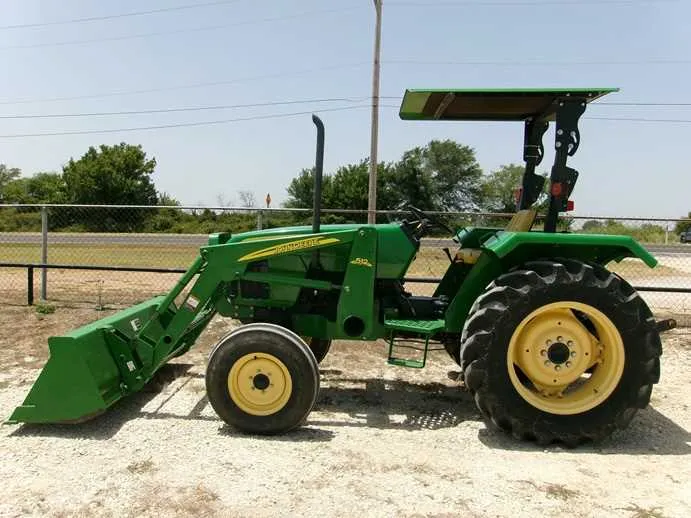
If you’re considering the John Deere 5103 Loader for your farming or construction tasks, you’re looking at a reliable piece of equipment. The 5103 comes with a powerful 3-cylinder engine, generating 40 horsepower, which allows it to tackle a wide variety of tasks efficiently. Its robust engine performance is paired with impressive lifting capabilities, making it a strong choice for heavy-duty applications.
The loader features a maximum lift capacity of 1,200 kg, ideal for handling substantial loads with ease. The machine is equipped with a hydrostatic power steering system, ensuring smooth control even in tight spaces or challenging conditions. With a maximum bucket breakout force of 2,200 kg, the 5103 is designed to take on demanding workloads without breaking a sweat.
When it comes to maneuverability, the John Deere 5103 Loader excels. Its compact size and tight turning radius make it suitable for operations in confined areas, while the 4WD system provides excellent traction, especially in tough terrain. Whether you’re lifting, loading, or transporting materials, this loader delivers precise handling and stability, even under load.
The cabin is designed with operator comfort in mind. The user-friendly controls and spacious layout make long hours in the field more comfortable. The visibility from the driver’s seat is also optimized, ensuring that the operator can work efficiently and safely at all times.
John Deere 5103 Loader Specifications
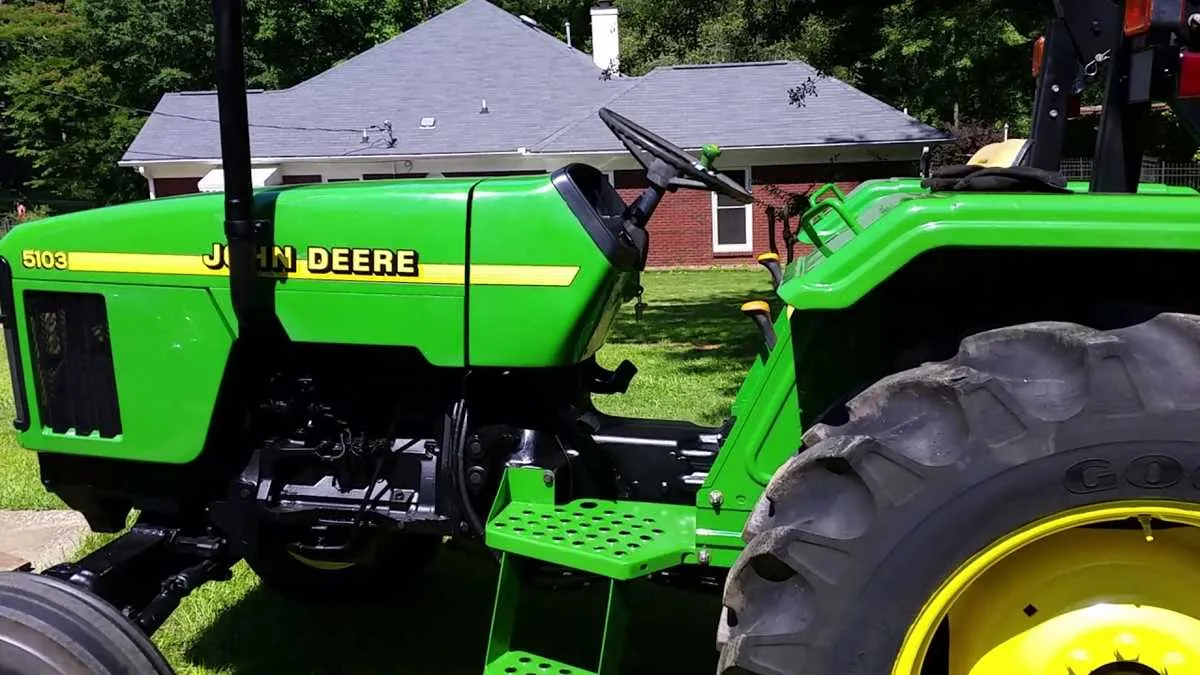
The John Deere 5103 Loader offers a robust solution for various agricultural and construction tasks, providing reliable performance with impressive power and versatility. Here’s a quick overview of its key specifications:
- Engine: 4-cylinder, 2.9L diesel engine.
- Horsepower: 45 hp (33.5 kW) at 2,200 RPM.
- Transmission: SyncShuttle transmission with 8 forward and 4 reverse gears, providing smooth shifting and operational control.
- Hydraulic System: 19.8-gallon/min (75 L/min) pump, offering high flow capacity for demanding loader and implement work.
- Loader Lift Capacity: 1,200 kg (2,646 lbs) at full height.
- Lift Height: 2.9 meters (9.5 feet), allowing for efficient stacking and loading of materials.
- Operating Weight: 3,020 kg (6,658 lbs), ensuring a stable foundation during heavy lifting tasks.
- Turning Radius: 3.2 meters (10.5 feet), providing maneuverability in tight spaces.
- Bucket Options: Compatible with a variety of bucket sizes and types, from general-purpose to heavy-duty models.
- Auxiliary Hydraulics: Standard hydraulic hookups for attachments like augers, grapple buckets, and more.
- Ground Clearance: 340 mm (13.4 inches), allowing the loader to handle rough terrain with ease.
These specs ensure the John Deere 5103 Loader delivers excellent productivity in a variety of settings, making it a great choice for both farming and construction professionals.
Engine and Performance Features of John Deere 5103 Loader
The John Deere 5103 loader boasts a powerful 3-cylinder diesel engine with a displacement of 2.9 liters, delivering optimal performance for various tasks. With a rated power of 50 horsepower at 2,200 RPM, it strikes a balance between fuel efficiency and high output.
Its engine utilizes an electronic fuel injection (EFI) system, which ensures smoother operation and reduces emissions. The engine also features a forced air cooling system, maintaining temperature stability during long working hours in varying climates.
For optimal torque, the 5103 loader’s engine peaks at 203 Nm at 1,400 RPM, ensuring strong pulling power and quick response in tough conditions. This is further supported by the loader’s hydrostatic transmission, providing smooth shifting and reducing maintenance needs.
Maximum travel speed reaches 28.5 km/h, ensuring fast and efficient movement across job sites. The 5103 can easily handle lifting and digging operations with its reliable performance, even in heavy-duty applications.
The loader’s fuel tank capacity of 58 liters allows for longer work cycles with fewer refuels, making it suitable for large-scale operations. Additionally, the hydraulic system is designed for enhanced lift capacity and precise control, achieving a maximum lift height of 3.0 meters.
| Feature | Specification |
|---|---|
| Engine Type | 3-cylinder diesel |
| Horsepower | 50 HP (37 kW) |
| Engine Displacement | 2.9 L |
| Torque | 203 Nm at 1,400 RPM |
| Maximum Speed | 28.5 km/h |
| Fuel Tank Capacity | 58 L |
| Lift Capacity | 3.0 m |
This combination of engine specifications, hydraulic performance, and user-friendly features makes the John Deere 5103 loader highly effective for various agricultural and construction tasks.
Hydraulic System and Lifting Capacity of John Deere 5103 Loader
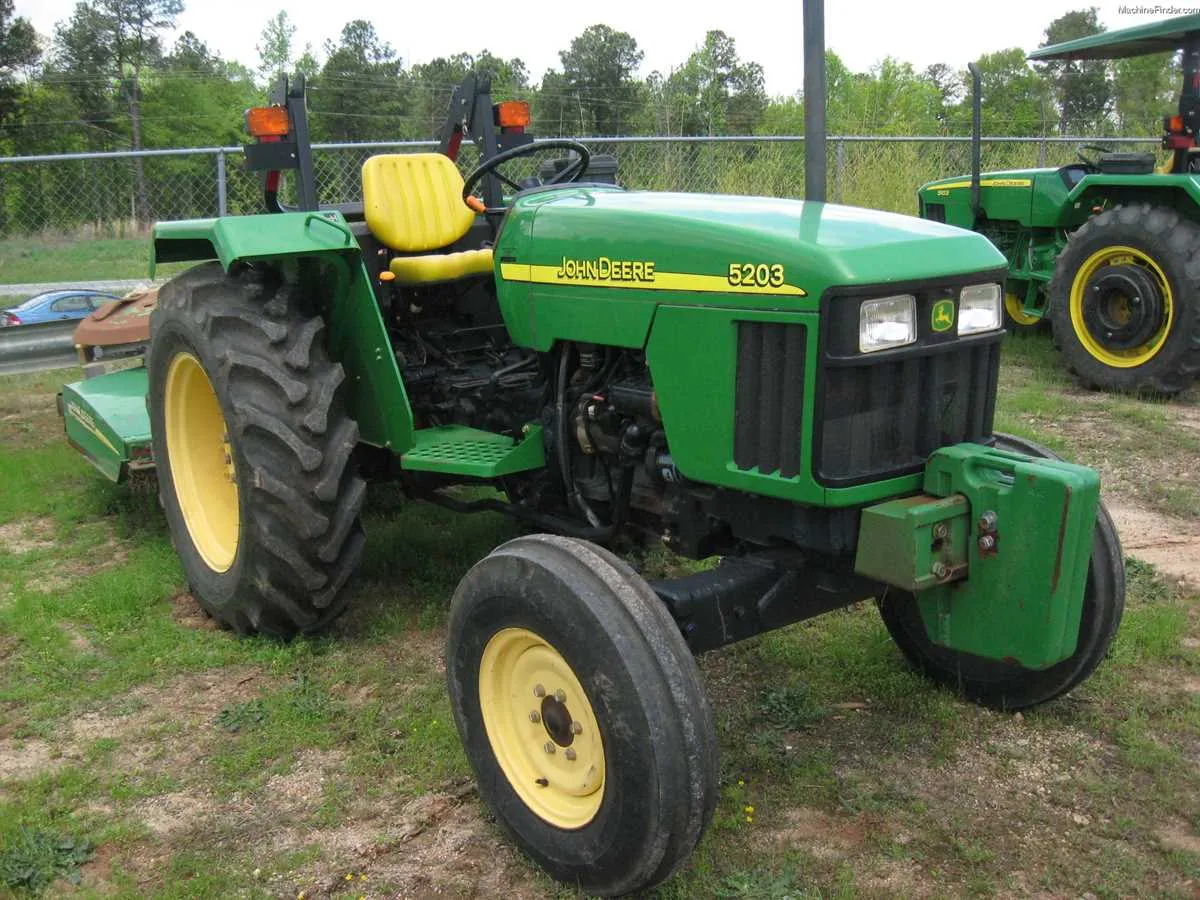
The John Deere 5103 loader features a powerful hydraulic system designed to handle demanding tasks with ease. The loader is equipped with an open-center hydraulic system, offering a flow rate of up to 11.7 gallons per minute (GPM), which ensures quick response times and efficient operation during lifting and carrying loads.
For lifting, the John Deere 5103 loader provides a maximum lifting capacity of 2,000 pounds at full height. This makes it suitable for a variety of applications, including material handling, digging, and moving heavy equipment. The hydraulic cylinders are designed to deliver high lifting forces while maintaining smooth operation, making the loader versatile in both construction and agricultural settings.
The system also includes a relief valve, which helps prevent overloading and protects the hydraulic components. This feature ensures long-term reliability and durability, minimizing the risk of hydraulic system failure during demanding tasks.
When considering the lifting performance, the loader’s lift height reaches up to 10 feet, making it capable of handling a range of attachments such as buckets, forks, and pallet handlers. The combination of strong hydraulic performance and lift capacity makes the John Deere 5103 loader an excellent choice for those requiring consistent, heavy-duty lifting power.
Maintenance and Service Requirements for John Deere 5103 Loader
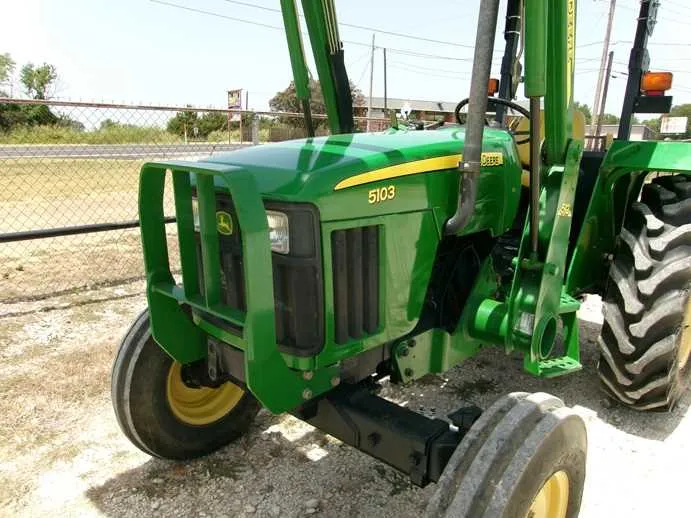
Check the engine oil level every 50 hours of operation. Replace the oil and filter after every 250 hours. Use high-quality 15W-40 oil for optimal performance. Keep the air filter clean and replace it every 500 hours or sooner if operating in dusty conditions.
Inspect the radiator and cooling system regularly for leaks and blockages. Clean the radiator fins and check coolant levels to prevent overheating. Replace the coolant every 2 years to maintain engine efficiency.
The hydraulic fluid should be changed every 1,000 hours, using John Deere’s recommended fluid type. Keep hydraulic lines and connections free of wear and leaks. Inspect the loader bucket and lifting arms for signs of damage or excessive wear.
Check tire pressure regularly. Tires should be inflated to the specifications listed in the operator’s manual. Inspect tires for cuts, punctures, or uneven wear, which may indicate alignment issues or overloading.
Keep all grease points lubricated every 50 hours of use. Use John Deere’s recommended grease for best performance. Greasing the loader arm, pins, and bushings will extend the lifespan of these components and reduce wear.
Inspect the battery for corrosion every 100 hours. Clean the terminals and ensure the battery is properly charged. If the loader is stored for extended periods, disconnect the battery to prevent discharge.
Inspect the drive belts every 250 hours for wear and cracking. Replace them if necessary to maintain smooth operation of the loader. Ensure all belts are properly tensioned to prevent slipping or damage.
For the transmission, change the fluid every 1,000 hours. Inspect the seals and gaskets to prevent leaks, as low transmission fluid levels can cause operational issues.
Regularly check the loader’s lights and electrical systems. Clean the lens covers to ensure proper visibility during night operations. Replace bulbs or fuses as needed to maintain functionality.
Perform periodic safety checks, including the brake system, steering components, and safety shields. Make sure the parking brake is functioning correctly and that all safety decals are intact.