John Deere Tractor Horsepower Specifications and Performance Details
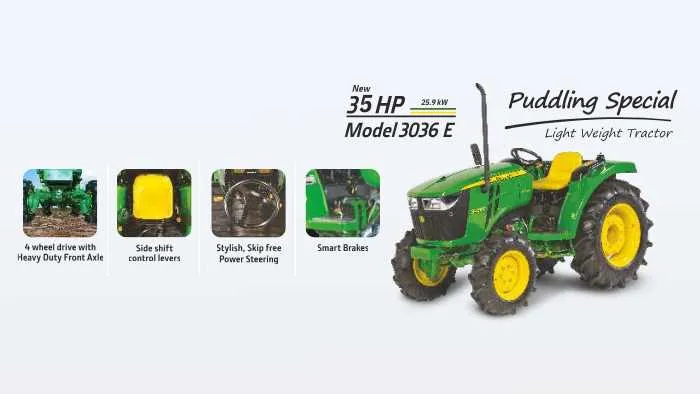
If you’re looking to optimize your farming equipment, understanding the horsepower specs of John Deere tractors is a key factor in making the right choice. Models such as the John Deere 5055E offer a solid 55 horsepower, ideal for small to medium-sized tasks like tilling or mowing. On the other hand, the John Deere 6120M steps up with 120 horsepower, making it better suited for heavy-duty farming operations like plowing large fields or running complex attachments.
Consider how much power your tasks demand. For lighter jobs, a compact tractor with around 50 horsepower will suffice, but for demanding applications like tilling deep soil or pulling large implements, models above 100 horsepower, like the John Deere 6175M at 175 horsepower, will provide the muscle needed to get the job done efficiently.
Choosing the right tractor means balancing horsepower with other specs such as torque, transmission, and hydraulic capacity. John Deere tractors are built to provide both power and reliability, ensuring that your equipment can keep up with the workload without frequent maintenance.
John Deere Tractor Horsepower Specs
The horsepower of John Deere tractors varies by model. For light-duty tasks, the John Deere 1023E offers 23.9 horsepower, perfect for small-scale jobs like mowing or light tilling. Its compact size and power make it ideal for residential or hobby farms.
If you need more power for larger operations, the John Deere 6M Series tractors, such as the John Deere 6105M, provide 105 horsepower. These tractors excel in handling mid-range agricultural tasks like cultivating, plowing, and hauling moderate loads.
For high-demand farming needs, the John Deere 8R Series, including the John Deere 8R 410, offers up to 410 horsepower. These tractors are built for large-scale farming, offering exceptional pulling power for heavy tillage and planting.
The John Deere 9RX delivers up to 670 horsepower, making it suitable for the most demanding jobs on large farms, including high-efficiency tilling and large-scale crop management.
Selecting the right tractor depends on the tasks at hand. Match the horsepower to your workload for optimal performance. John Deere provides a range of models to fit both light-duty and heavy-duty agricultural needs.
How to Choose the Right John Deere Tractor Based on Horsepower
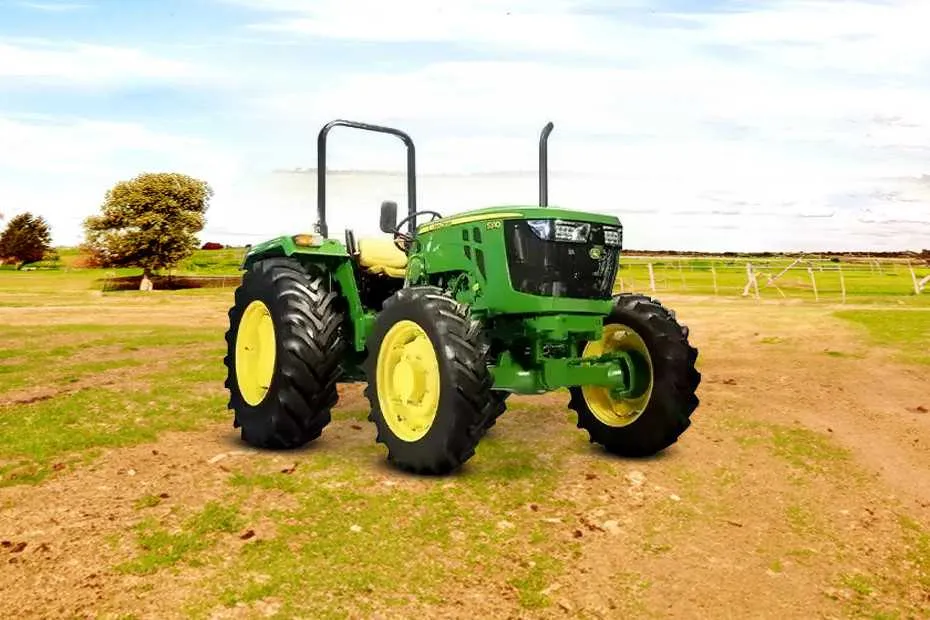
Choose a John Deere tractor based on the tasks you need it to perform. Horsepower directly impacts how well the tractor can handle specific work. Follow these simple steps to make the right choice.
- Identify Your Main Tasks: If you plan to use the tractor for light tasks like lawn mowing or snow removal, a lower horsepower model like the 1023E (23.9 hp) is sufficient. For medium tasks such as tilling or small-scale plowing, consider models like the 3038E (37 hp).
- Assess Field Size: Larger areas require more horsepower. For commercial farming or extensive fieldwork, a higher horsepower model such as the 5075E (75 hp) or the 6120M (120 hp) will improve efficiency and speed.
- Consider Implements and Attachments: If you’re using heavy-duty attachments, higher horsepower is crucial. Tractors with 100+ horsepower like the 8320R can handle large implements like heavy plows or high-demand harvesters without strain.
- Look at the Tractor’s Torque: Power isn’t just about horsepower. Torque is key when dealing with demanding tasks. Tractors with high torque ratings perform better in tough conditions, ensuring stability and effective operation.
In general, choose a tractor that balances power and fuel efficiency for your needs. Don’t overestimate horsepower unless your workload justifies it. The right balance will help you maximize productivity and minimize fuel costs.
Comparing Horsepower Across Different John Deere Tractor Models
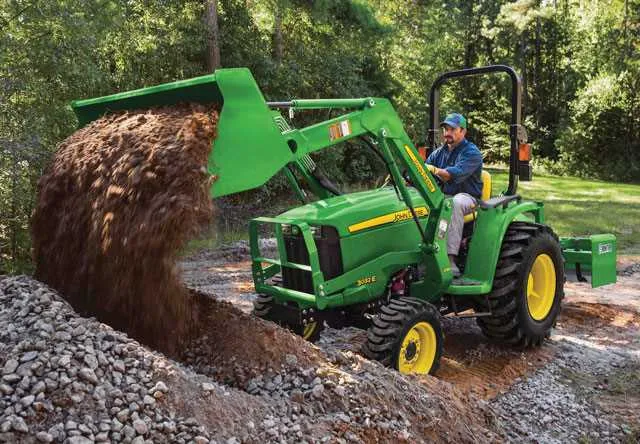
When choosing a John Deere tractor, it’s crucial to compare the horsepower of various models to meet specific operational needs. For example, the John Deere 1025R, with 24.2 horsepower, is ideal for homeowners handling light-duty tasks like mowing or landscaping. On the other hand, the John Deere 5045E, offering 45 horsepower, is built for heavier work such as tilling or hauling.
The John Deere 6120M with 120 horsepower delivers enhanced performance for more demanding agricultural tasks, like plowing and large-scale crop management. If higher power is required for large-scale farming or commercial use, the John Deere 8400R with 400 horsepower stands out, delivering unmatched power for intensive operations, such as field cultivation and transport.
Choosing between these models depends on the type of work you’ll be performing. Smaller models like the 1025R are more fuel-efficient and better suited for precision tasks on smaller plots, while larger models like the 8400R handle bigger workloads, reducing time and increasing productivity in vast fields.
For a more balanced solution, the John Deere 5055E offers 55 horsepower, ideal for medium-sized farms that require versatility for both light and medium-duty tasks.
In summary, evaluating horsepower helps you determine the right tractor for your workload, whether it’s managing a small garden or operating large-scale agricultural equipment. The key is matching the tractor’s horsepower to the size and scope of the tasks at hand.
Understanding the Impact of Horsepower on John Deere Tractor Performance
The horsepower of a John Deere tractor directly influences its ability to handle various tasks, from plowing fields to hauling heavy loads. A higher horsepower rating allows the tractor to maintain speed and power under demanding conditions. For instance, tractors with 50-75 horsepower are ideal for lighter tasks like mowing or tilling small plots, while models with 150+ horsepower are better suited for larger farming operations requiring heavy lifting and extensive fieldwork.
Tractors with more horsepower can tackle more demanding implements, such as large plows or harrows, without struggling. This leads to higher efficiency and reduced fuel consumption per unit of work. While the additional power comes with an increase in cost and fuel requirements, the trade-off is often worth it for larger, more demanding jobs.
However, it’s essential to match the tractor’s horsepower to the specific tasks at hand. For example, choosing a tractor with too much power for light chores can result in wasted fuel and unnecessary wear. Conversely, underpowered tractors may struggle to complete tasks efficiently, leading to longer work hours and higher maintenance costs.
When selecting a John Deere tractor, consider the specific demands of your farm or business. A well-balanced approach to horsepower ensures optimal performance, long-term durability, and cost-effectiveness. By choosing the right model, you can improve productivity and minimize downtime.