John Deere 6310 Tractor Specifications and Features Overview
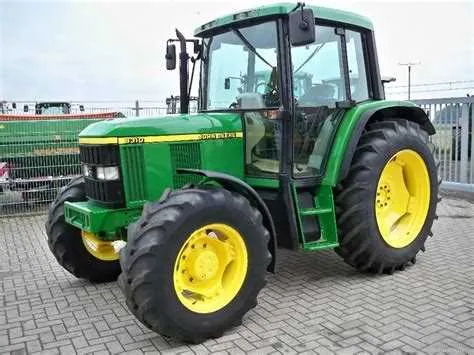
The John Deere 6310 stands out with its impressive balance of power, reliability, and efficiency. With a 95 horsepower engine, this tractor is equipped to handle a wide variety of agricultural tasks, from tilling to hauling heavy loads. Its 4-cylinder engine offers consistent performance, ensuring a smooth operation across different terrains.
Engine specifications include a 4.5L PowerTech engine, delivering solid fuel efficiency while maintaining high output. The 6310’s 12-speed transmission allows for precise control in different working conditions, making it easy to adjust for varying workloads. This model’s hydraulics system offers a lift capacity of up to 3,000 kg, enhancing its utility for larger implements and attachments.
The 6310 also features a comfortable operator station, designed for long hours of work. Its adjustable seat and easy-to-read dashboard allow for effortless operation. The tractor’s rugged design and durable construction make it a reliable choice for demanding tasks, ensuring minimal downtime and maximum productivity.
John Deere 6310 Specs
The John Deere 6310 is a versatile utility tractor equipped with a 4.5L 4-cylinder engine, delivering 105 horsepower. This model is known for its excellent fuel efficiency, with a fuel tank capacity of 110 liters, ensuring extended operational hours without frequent refueling.
With a maximum torque of 460 Nm at 1400 RPM, the 6310 offers impressive pulling power for a variety of tasks, including plowing, hauling, and haymaking. It features a 12×12 PowerQuad transmission, providing smooth gear shifts and optimal performance for both high-speed transport and slow fieldwork.
For maneuverability, the 6310 comes with a turning radius of 4.3 meters, making it ideal for tight spaces and precision work in smaller fields. The hydraulic system is rated at 65 liters per minute, ensuring efficient operation of attachments and implements.
Cab comfort is a priority with the 6310. It offers an ergonomically designed interior, featuring a clear dashboard and easy access to all controls. The tractor’s suspension system, combined with its spacious cabin, reduces operator fatigue during long hours of work.
With a maximum speed of 40 km/h, the 6310 is suited for both field and road use, offering reliable performance across various terrains. It also supports a maximum lift capacity of 3,000 kg, providing ample strength for heavy-duty implements.
Engine Specifications and Power Output of John Deere 6310
The John Deere 6310 tractor is powered by a robust 4.5-liter, 4-cylinder engine. This engine delivers consistent power for a variety of farming tasks, whether in the field or for heavier lifting. The engine is designed for durability and performance under demanding conditions.
- Engine Type: 4.5L, 4-cylinder, turbocharged
- Rated Power: 100 horsepower (HP) at 2,200 RPM
- Max Power Output: 110 HP at 2,200 RPM
- Torque: 420 Nm (310 lb-ft) at 1,500 RPM
- Engine Displacement: 4.5 liters
- Fuel Type: Diesel
- Fuel Tank Capacity: 180 liters
- Cooling System: Liquid-cooled
With a maximum power output of 110 HP, the 6310 is designed for tasks that require steady power and reliability. The engine’s torque at 1,500 RPM ensures smooth operation during both low and high RPM ranges. The 6310 excels in fuel efficiency, reducing operational costs and ensuring long hours in the field without frequent refueling.
Transmission Options and Performance of John Deere 6310
The John Deere 6310 offers a variety of transmission options designed to match a wide range of farming needs. The tractor is equipped with a mechanical 9F/3R transmission, providing nine forward gears and three reverse gears. This setup ensures smooth and reliable operation across different tasks, whether it’s fieldwork or road transport.
For enhanced performance, the 6310 features a PowerQuad transmission, allowing the operator to switch between four speeds without using the clutch. This system is ideal for applications requiring frequent gear shifts, such as plowing or hauling heavy loads. The intuitive design enables precise control while reducing operator fatigue.
For those looking for even greater ease of use, the AutoQuad Plus transmission offers fully automated shifting. This feature enables seamless operation without the need for manual intervention, adjusting gear changes based on load and speed. It significantly improves fuel efficiency and provides smooth transitions between gears, making it a popular choice for tasks that demand constant, steady operation.
The combination of these transmission options allows the John Deere 6310 to excel in both light and heavy-duty applications. The ease of gear shifting, along with the transmission’s responsiveness, contributes to its versatility and performance, ensuring it delivers consistent results in any working condition.
Hydraulic System Capacity and Compatibility with Implements
The John Deere 6310 features a hydraulic system with a pump capacity of 16.5 gpm (62.5 l/min), offering reliable power for various agricultural tasks. The system provides efficient hydraulic flow to ensure smooth operation of implements, whether you’re working with plows, cultivators, or loaders.
The tractor supports a maximum hydraulic pressure of 2900 psi (200 bar), which allows for effective lifting and powering of heavier implements. It is compatible with a wide range of John Deere attachments, as well as many third-party implements designed for similar systems. Ensure that any implement used is within the specified pressure and flow range to maintain optimal performance and prevent damage.
For heavy-duty applications, the 6310’s optional front or rear hydraulic remotes provide additional versatility, enabling simultaneous operation of multiple attachments. Always verify the compatibility of your implements with the hydraulic specifications to maximize efficiency and prevent unnecessary wear.
Before attaching any implements, check the required hydraulic flow and pressure ratings. Using a hydraulic flow higher than recommended for a specific implement can lead to overheating or excessive wear, while insufficient flow can reduce performance.