John Deere 230 Disc Specifications and Key Features for Optimal Performance
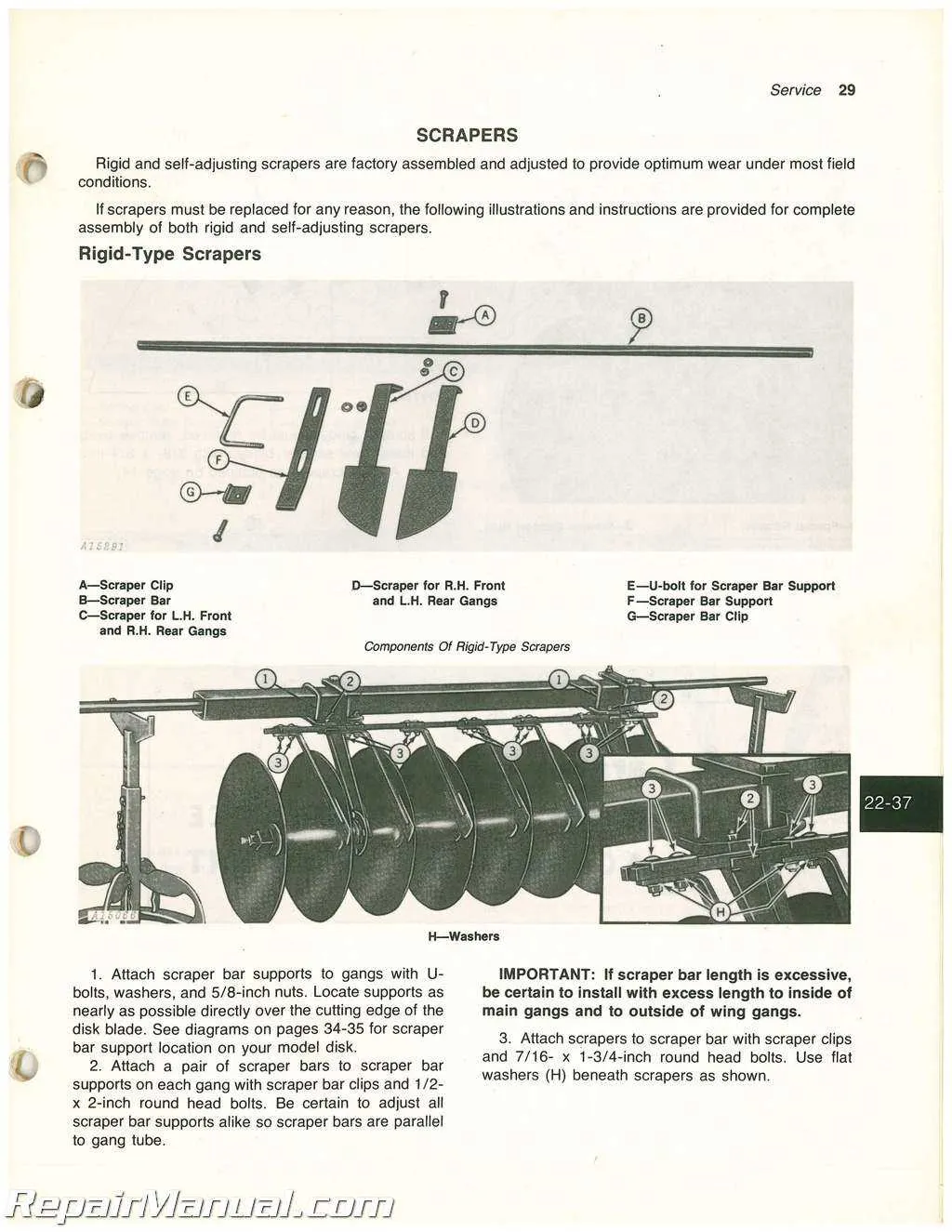
If you’re considering the John Deere 230 Disc, you’re likely looking for equipment that offers durability, precision, and ease of use. The 230 Disc is engineered to handle tough soil conditions and maximize productivity with minimal maintenance. Equipped with a sturdy frame and advanced features, it offers unmatched performance for large-scale farming operations.
The John Deere 230 Disc features a working width ranging from 12 to 32 feet, allowing for optimal coverage in various field conditions. Its adjustable depth control ensures a consistent and precise tillage, making it an excellent choice for soil preparation before planting. The disc blades, made from high-quality steel, are designed for long-lasting durability and efficient soil penetration.
One of the standout features is the tandem axle system, which enhances the stability of the machine even in challenging terrains. This system provides improved control over the disc, allowing for better depth management and reducing the risk of scalping. The 230 Disc also includes hydraulic leveling to ensure a consistent working depth, contributing to uniform field conditions across the entire operation.
Maintenance is simplified thanks to the easily accessible grease points and rugged construction, which minimizes downtime. The heavy-duty bearings are designed to withstand the stress of continuous use, reducing the need for frequent replacements. Whether you’re working on dry, compacted soils or loamy ground, the John Deere 230 Disc proves to be a reliable asset in your farming toolkit.
John Deere 230 Disc Specs
The John Deere 230 Disc is built to perform under tough conditions. With a cutting width of 14 to 22 feet, this model allows for effective soil management and residue handling. It features a smooth, uniform finish, ideal for pre-planting soil preparation.
Powered by a robust frame, the 230 Disc offers up to 28-inch blade diameter, ensuring deep penetration into compacted soil. The adjustable blade angle, ranging from 18° to 22°, gives flexibility for varying soil types and desired tillage depth. This makes it a reliable option for both light and heavy soil conditions.
Each disc is mounted on a solid hub assembly, enhancing durability. The tandem axle design ensures balanced weight distribution for smoother operation and better stability, even in rough terrain. The machine’s 4-section frame improves contour-following capabilities, keeping the discs in consistent contact with the ground.
For ease of maintenance, the John Deere 230 Disc is designed with quick-adjust features, making it simple to change settings or replace worn parts. The heavy-duty construction of the blades allows for long-lasting performance, reducing downtime.
With a transport width of 9 feet 6 inches, it is easy to move between fields, making it convenient for large-scale operations. The John Deere 230 Disc can handle a wide range of tasks, from primary tillage to secondary tillage, and is well-suited for farmers looking for versatile equipment with high productivity.
Understanding the Working Width and Blade Configuration of the John Deere 230 Disc
The John Deere 230 Disc offers a range of working widths, from 12 feet to 30 feet. This flexibility makes it suitable for various field sizes and conditions. The larger the working width, the more ground it covers in a single pass, which improves efficiency and reduces time spent on field preparation.
Regarding the blade configuration, the John Deere 230 Disc utilizes a staggered, or “offset,” design. This setup ensures better soil penetration and a more uniform cut across the field. The blades are spaced to allow for continuous soil movement, preventing clumping or uneven tillage. The disc blades are made of durable steel, with options for different sizes depending on the specific model. Typically, blade diameters range from 20 inches to 24 inches, depending on soil conditions and the desired working depth.
Adjusting the angle of the discs is a key feature of the John Deere 230 Disc. By modifying the blade angle, users can control the aggressiveness of the tillage, tailoring it to the specific requirements of the soil. A more aggressive angle is ideal for tougher, compacted soils, while a shallower angle works well in looser or more cultivated fields.
In short, the John Deere 230 Disc’s working width and blade configuration provide versatility, making it an excellent choice for farmers looking to optimize soil preparation across varying field conditions.
How to Adjust Depth and Angle Settings on the John Deere 230 Disc
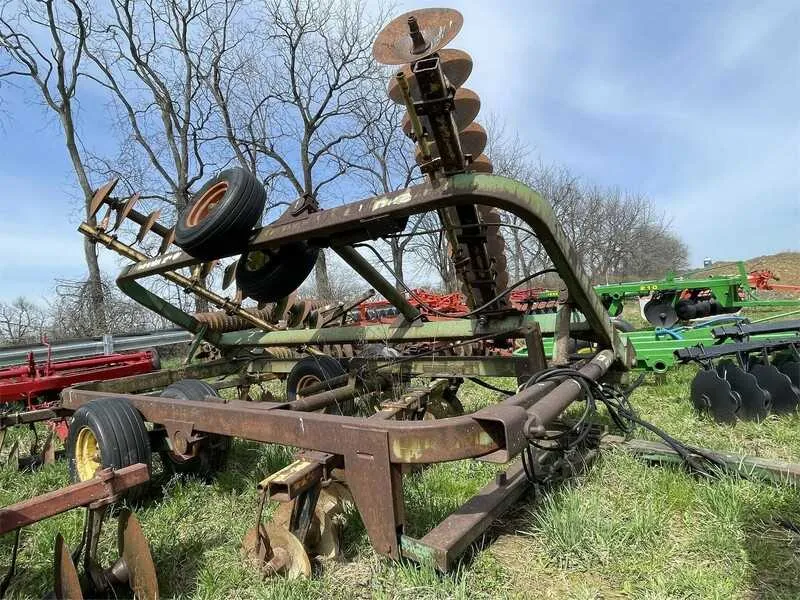
To adjust the depth on the John Deere 230 Disc, begin by modifying the depth control wheels. These wheels control how deep the discs penetrate the soil. Tighten or loosen the wheels based on the desired depth. For deeper penetration, decrease the height of the wheels; for shallower cuts, raise them. Keep the depth consistent across all sections by adjusting each wheel evenly.
Next, adjust the angle of the discs by altering the tilt of the gang assembly. Loosen the bolts on the gang angles and rotate the gangs to the preferred angle. A more aggressive angle increases soil disturbance, while a shallower angle results in a smoother finish. Adjusting the angle helps control the level of cutting and the residue mixing, depending on soil conditions.
After making adjustments, drive the machine across the field to check if the settings meet your requirements. Make fine-tuning adjustments as needed to ensure uniformity in soil tilling. Always monitor the disc’s performance during operation to avoid excessive wear or inefficiency.
Maintenance and Service Requirements for the John Deere 230 Disc
Regular inspection and maintenance are crucial for maintaining the performance of your John Deere 230 Disc. Follow these steps to ensure long-term reliability and efficiency.
- Check Disc Blades: Inspect the blades for wear and replace them if they are worn down more than 3 inches. Ensure they are properly aligned for consistent cutting.
- Lubrication: Grease all the moving parts, including the wheel bearings, pivot points, and grease fittings. Perform this task every 50 hours of operation to avoid unnecessary friction and wear.
- Frame and Hitch Inspection: Regularly check the frame and hitch for cracks or signs of wear. Tighten bolts and nuts to prevent loosening during operation.
- Bearings and Seals: Inspect the bearings for wear and replace them if they feel rough or noisy. Seals should be checked for leaks, especially after heavy use.
- Hydraulic System: Examine the hydraulic cylinders and hoses for leaks or damage. Ensure proper hydraulic fluid levels and replace fluid as per the manufacturer’s recommendation.
- Wheel Assemblies: Inspect the wheels for wear and damage. Ensure the tires are inflated to the correct pressure to prevent uneven wear.
- Disc Arm Inspection: Check the disc arms for any signs of bending or wear. Ensure that they are properly adjusted and secure.
- Cleaning: After every use, clean the equipment thoroughly to prevent dirt, mud, and debris from building up. This helps in preventing corrosion and ensures smooth operation.
- Storage: When not in use, store the John Deere 230 Disc in a dry, sheltered area to protect it from the elements. If storing for an extended period, consider covering it to reduce exposure to moisture and dust.
Following these steps will keep the John Deere 230 Disc in optimal working condition and extend its lifespan.