2000 John Deere 210LE Specifications and Key Features
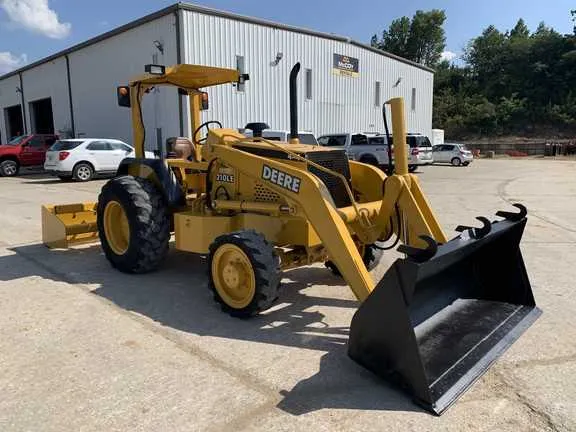
The 2000 John Deere 210LE is a reliable and versatile machine designed for heavy-duty tasks. With a robust 4-cylinder engine, it delivers ample power for both loading and excavation jobs. The machine features a hydraulic system that ensures smooth operation even under tough conditions.
The transmission system of the 210LE allows for precise control, offering ease of maneuverability. Its high lifting capacity makes it ideal for both construction sites and agricultural applications. Make sure to regularly inspect the hydraulic fluid levels to maintain performance efficiency.
To maximize the lifespan of the 210LE, keep the engine’s cooling system in top condition. Regular maintenance, such as oil changes and filter replacements, will ensure reliable operation for years. Always refer to the manual for the correct specifications and recommendations for your machine.
2000 John Deere 210LE Specs
The 2000 John Deere 210LE is a versatile loader designed for optimal performance in various work environments. Its specifications highlight the balance between power and efficiency.
- Engine: Powered by a 4-cylinder, liquid-cooled diesel engine with a displacement of 3.0 L (183 cu in). The engine generates a rated horsepower of 49 hp (36.5 kW).
- Transmission: Equipped with a hydrostatic transmission, providing smooth and responsive control for various work tasks.
- Operating Weight: The 210LE weighs approximately 7,300 lbs (3,311 kg), allowing for strong lifting capacity while maintaining good maneuverability.
- Lifting Capacity: This loader has a maximum lift capacity of 2,300 lbs (1,043 kg), making it ideal for handling materials and debris in construction or farming environments.
- Hydraulic System: The system delivers a pump capacity of 16.6 gpm (62.9 L/min), enabling efficient lifting and precise control of attachments.
- Fuel Tank Capacity: With a 16.9-gallon (64 L) fuel tank, the 210LE ensures extended operation time without frequent refueling.
- Bucket Capacity: The loader can handle a bucket capacity of 0.9 cubic yards (0.69 m³), suited for a variety of materials.
- Dimensions: The overall length is 11.5 ft (3.51 m), with a width of 5.5 ft (1.68 m) and a height of 7.8 ft (2.38 m), providing a compact size suitable for tight spaces.
- Ground Clearance: The machine offers a ground clearance of 10 inches (25.4 cm), facilitating operation in rough terrain.
- Steering: Full-time 4-wheel drive with a 4-wheel steering option enhances traction and control in diverse environments.
These specifications make the John Deere 210LE well-suited for tasks that demand power, precision, and durability, including construction, landscaping, and material handling.
Engine Performance and Specifications
The 2000 John Deere 210LE is powered by a 4.5L, 4-cylinder diesel engine. This engine delivers a net power of 65 horsepower (48.5 kW) at 2,200 RPM, ensuring solid performance for various tasks. It operates with a compression ratio of 17.5:1 and offers a maximum torque of 200 lb-ft (271 Nm) at 1,400 RPM.
With a liquid-cooled system, the engine is designed for reliable operation in demanding conditions. Its efficient fuel system includes a direct injection setup, providing smooth combustion and fuel efficiency. The cooling system ensures consistent temperature control, even during extended usage.
For transmission, the 210LE is equipped with a Hydrostatic drive system, giving the operator full control over speed and power delivery. The transmission features infinite speed selection, which makes the machine adaptable for different soil types and work environments. The 210LE can achieve a maximum speed of 18 mph (29 km/h), allowing it to move between work sites quickly.
The engine is designed for durability and longevity, with high-quality components that reduce wear over time. Regular maintenance and proper fluid management are key to maintaining optimal performance and extending the engine’s lifespan.
Hydraulic System and Load Capacity
The 2000 John Deere 210LE’s hydraulic system features a closed-center design, providing a consistent flow of hydraulic fluid regardless of load pressure. The system operates at a flow rate of 20.2 gallons per minute (76.4 L/min), ensuring smooth and reliable performance for a wide range of tasks.
With a maximum operating pressure of 2,900 psi (200 bar), the hydraulic system efficiently powers attachments and implements, ensuring optimal performance even in demanding conditions. This pressure allows the 210LE to handle heavy lifting and digging tasks with ease.
The machine’s loader capacity is 2,000 lbs (907 kg) at full height and 2,500 lbs (1,134 kg) with the bucket at ground level. This impressive lift capacity provides versatility, enabling operators to handle large loads and efficiently tackle various jobs around construction and agricultural sites.
The backhoe features a bucket breakout force of 6,000 lbs (2,722 kg) and a dig depth of 14 feet 2 inches (4.32 m), giving the operator the ability to dig deep and lift substantial materials with precision.
Proper maintenance of the hydraulic system, including regular fluid checks and filter changes, is essential for maintaining the system’s peak performance. Keeping the fluid clean and at the correct level ensures the system’s longevity and avoids potential damage to components under heavy load conditions.
Maintenance and Service Requirements
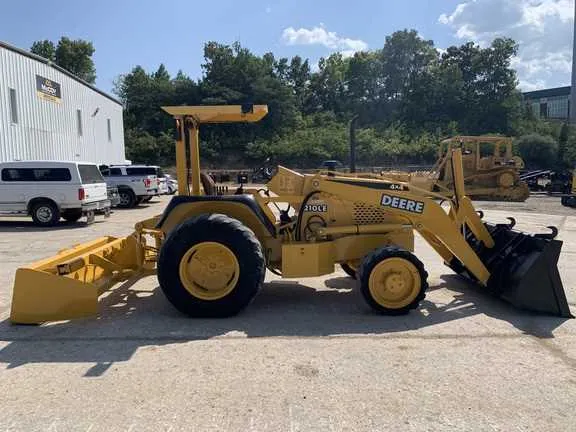
Check and replace engine oil every 250 hours of operation. Use only John Deere-approved oil filters and oil types for optimal engine performance.
Inspect hydraulic fluid levels regularly. Replace the hydraulic fluid and filter every 1,000 hours or annually, whichever comes first. Ensure no contamination in the system to maintain hydraulic efficiency.
Clean the radiator and air intake filters every 100 hours of operation. Clogged filters can lead to overheating and reduced engine life.
Inspect tires for wear and proper inflation. Keep tire pressure within recommended specifications to ensure maximum stability and load-bearing capacity.
Check the battery terminals for corrosion and clean as needed. Ensure the battery is fully charged and in good condition for reliable starting.
Lubricate all pivot points, joints, and moving parts regularly to prevent wear and extend machine life. Follow the lubrication schedule provided in the owner’s manual.
Check the cooling system, including hoses and clamps, for leaks and wear. Replace coolant every 2,000 hours or as specified in the manual.
Inspect the transmission fluid and replace it as recommended to maintain smooth shifting and proper operation of the loader.
Before storing the machine for extended periods, drain the fuel tank and treat the fuel system to prevent damage from fuel degradation.