Hydraulic Oil Specifications for John Deere Equipment
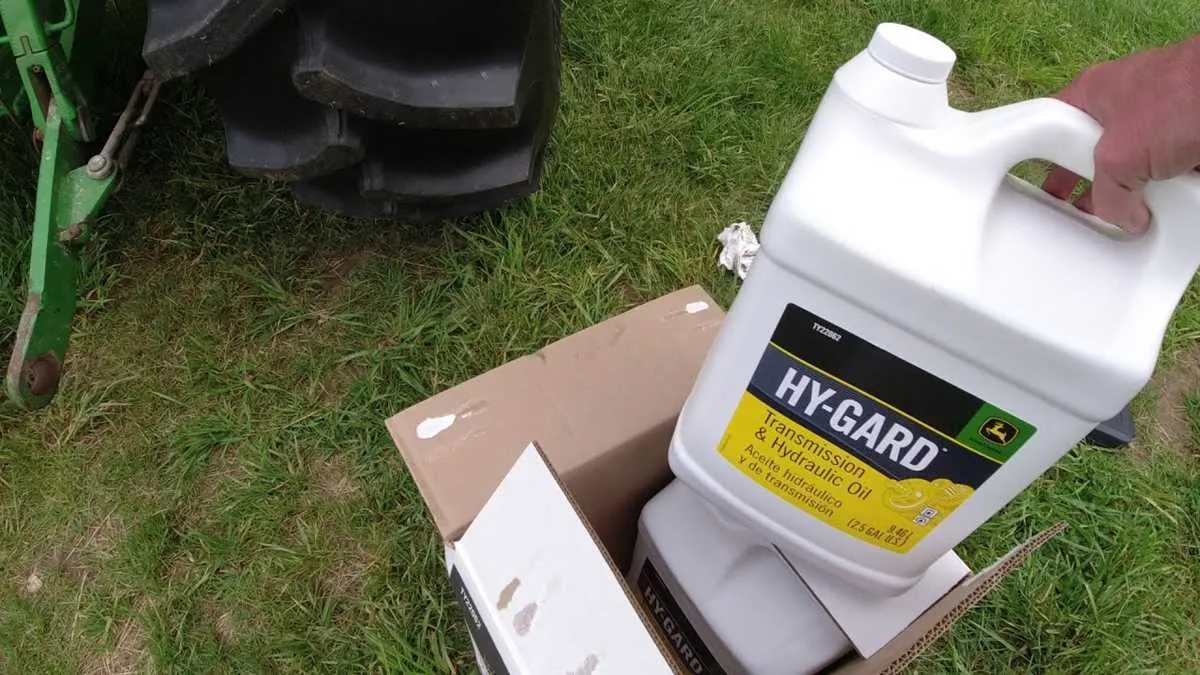
For optimal performance, use a hydraulic oil that meets the required specifications for John Deere machinery. The John Deere J20C hydraulic oil is a popular choice for many models, providing exceptional lubrication and wear protection. Ensure that the oil you select has a viscosity grade of ISO VG 46 for ideal operation under normal temperatures.
It’s important to regularly check and maintain the oil level. A low level can lead to pump cavitation and increased wear on the hydraulic components. For John Deere equipment, replacing hydraulic oil at intervals of 500 hours of operation is recommended, though this may vary depending on the working environment and usage.
Additionally, always ensure that the oil filter is replaced during oil changes to maintain proper filtration and prevent contaminants from circulating within the system. Regularly monitoring the oil condition helps prevent clogging and keeps the hydraulic system running smoothly.
John Deere Hydraulic Oil Specifications
Use a high-quality oil that meets the requirements set by John Deere for their hydraulic systems. The recommended oil type is a multi-viscosity, mineral-based fluid designed for industrial applications. Look for oils that comply with John Deere’s JDM J20C or J20D specification, depending on your equipment’s needs.
The oil should have a viscosity grade of 10W-30 or 15W-40 for optimal performance under various temperature conditions. Make sure the oil offers excellent oxidation stability, low foam tendency, and superior wear protection to ensure the longevity of hydraulic components.
Always check the manufacturer’s guidelines for oil change intervals, as overusing or neglecting oil changes may lead to reduced performance and premature wear. Ensure proper filtration and consider using synthetic oils when operating in extreme conditions.
Ensure the fluid meets the required cleanliness levels. Contaminants can damage the hydraulic system and cause inefficiency. Replace the filter regularly to maintain clean fluid flow and reduce maintenance costs.
Choosing the Right Fluid for Optimal Performance
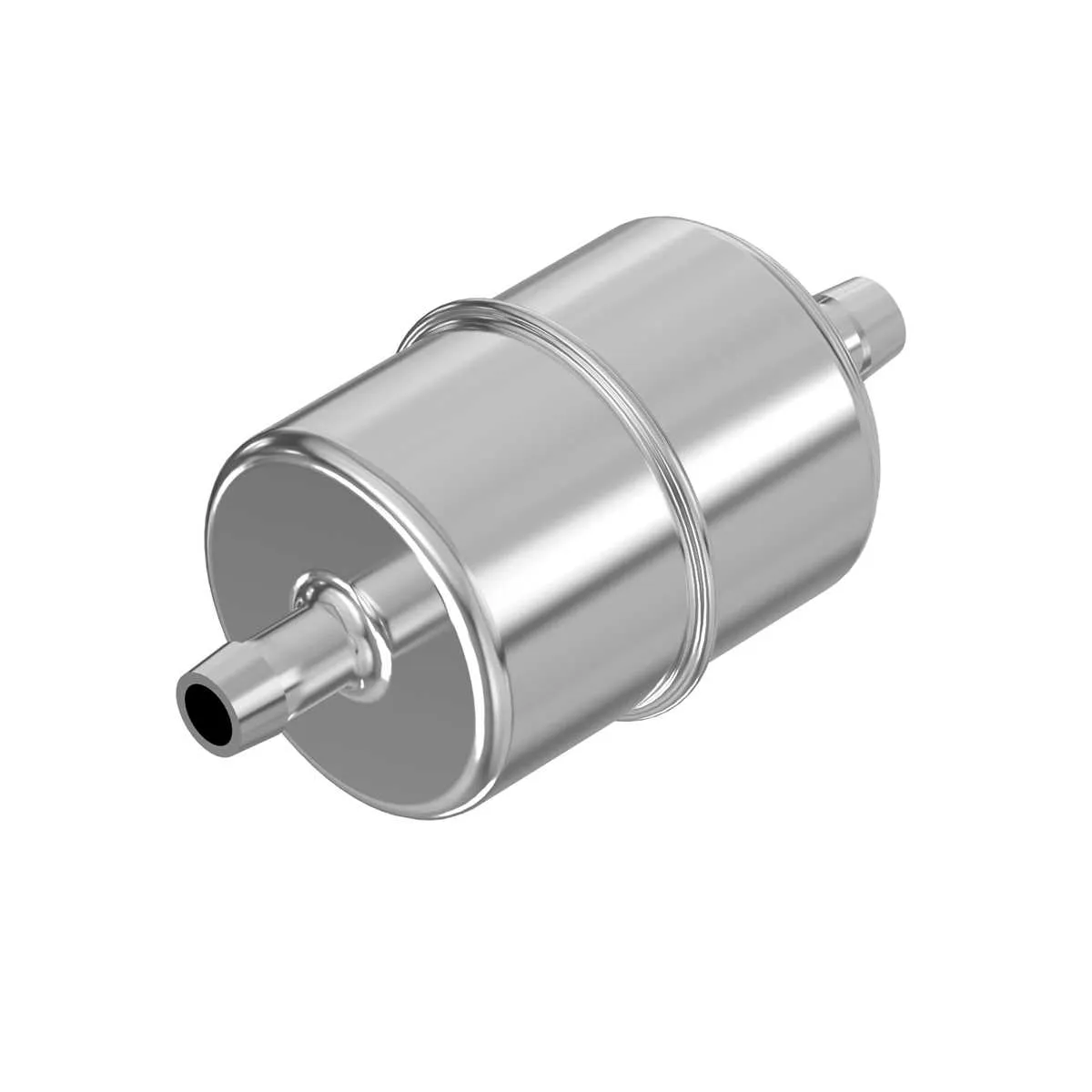
Selecting the correct hydraulic fluid ensures smooth operation and long-lasting equipment. Always refer to the manufacturer’s specifications for fluid type and viscosity to match your machinery’s needs. For John Deere equipment, use a fluid that meets the JDM J20C or equivalent standards to ensure compatibility with the hydraulic system.
The temperature range of the fluid is another key factor. Choose a fluid that performs well under both high and low temperatures. Fluids with a high viscosity index (VI) can adapt to temperature fluctuations without sacrificing performance.
Check the fluid’s cleanliness regularly. Contaminants can cause wear and damage to hydraulic components. Use filters that conform to manufacturer recommendations and change the fluid at regular intervals to maintain efficiency.
If you’re operating in extreme conditions, consider specialized fluids designed for high-pressure or high-heat environments. Fluids formulated with additives can provide extra protection against wear, rust, and oxidation, further prolonging system life.
Always use fluids that are specifically formulated for your equipment’s design and operating conditions. Selecting the right fluid reduces maintenance costs and ensures reliable performance over time.
Compatibility with Different John Deere Models
Ensure you select the correct fluid for each specific John Deere model to maintain optimal performance. Some models require different oil formulations depending on the hydraulic system specifications. For instance, the 6R series tractors use a specialized formulation designed to handle higher pressure and flow rates, whereas older models like the 5000 series may operate with a more basic fluid that does not require advanced additives.
Always consult the owner’s manual for recommended fluid specifications, as using the wrong fluid can lead to decreased efficiency and potential damage to the hydraulic components. It is also recommended to check for any updates in the manufacturer’s guidelines, especially if you are working with equipment that has had modifications or updates.
For best results, prioritize compatibility with your model’s hydraulic pressure ratings and operating environment. In extreme temperatures or heavy-duty applications, a fluid with higher viscosity and enhanced thermal stability is crucial. Conversely, lighter-duty models may not require the same high-performance oils.
Lastly, using non-approved oils may void warranties or lead to increased maintenance costs. Stick to recommended fluids and verify compatibility before refilling or replacing the hydraulic oil in your John Deere machinery.
Maintenance and Replacement Guidelines
Regular maintenance of hydraulic fluid ensures your equipment performs optimally. Start by checking fluid levels regularly to avoid low levels, which can lead to pump damage. Replace fluid when it becomes contaminated or shows signs of degradation, such as discoloration or an unusual odor.
Use the recommended hydraulic fluid for each model, following the manufacturer’s specifications. It is crucial to replace filters every 500 hours of operation or according to the equipment’s maintenance schedule. In case of frequent use or harsh conditions, consider replacing filters more often.
- Check fluid levels before each use.
- Replace fluid every 1,000 to 1,500 hours or as specified.
- Inspect and replace filters regularly, depending on usage.
- Monitor fluid for contamination and signs of wear.
For efficient maintenance, always clean the reservoir and surrounding components before replacing fluid. Drain all old fluid completely to avoid mixing with fresh fluid, which can compromise performance. When replacing, ensure that all seals and gaskets are intact to prevent leakage.
Following these steps ensures the longevity and reliability of your hydraulic system. Regular maintenance prevents costly repairs and helps maintain smooth operation for extended periods.