2009 John Deere 410J Specifications and Key Features
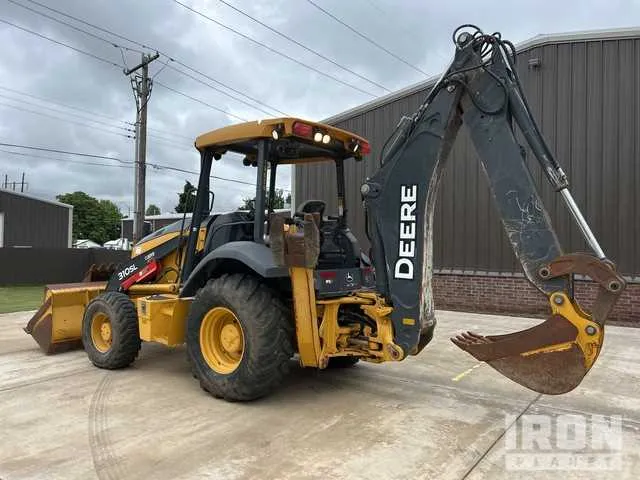
The 2009 John Deere 410J is a robust and reliable backhoe loader designed for heavy-duty tasks. It features a powerful 4045T engine with a rated output of 92 horsepower. This model is equipped with a 4-wheel drive system, enhancing its performance in challenging terrain. The machine’s digging depth reaches 14 feet 5 inches, making it suitable for a variety of construction and excavation jobs.
The 410J’s hydraulic system is designed for maximum efficiency, with a flow rate of 29.6 gallons per minute, ensuring fast cycle times for operations. The backhoe loader’s loading height is 12 feet 4 inches, and it boasts a maximum lift capacity of 5,000 pounds. These specifications make it a solid choice for tasks that demand both power and precision.
For enhanced operator comfort, the 410J comes with a spacious cab and intuitive controls. The suspension system ensures a smoother ride, even on rough surfaces. The machine’s design also includes easy maintenance features, reducing downtime and keeping operational costs low. With a fuel tank capacity of 30 gallons, the 410J can operate for extended hours without the need for frequent refueling.
2009 John Deere 410J Specifications
The 2009 John Deere 410J backhoe loader delivers powerful performance with its 4.5L, 4-cylinder turbocharged engine, providing a net horsepower of 92 hp. This engine ensures optimal fuel efficiency and durability, making it ideal for demanding tasks in construction and excavation projects.
The transmission is equipped with a fully synchronized 4-speed power shuttle, offering smooth shifting and efficient power distribution. The 410J features a 4-wheel drive system for improved traction in challenging terrains, ensuring the machine can operate in various conditions.
The digging depth of the 410J is 14 feet 1 inch, enabling operators to tackle deep excavation tasks. The loader’s maximum lift capacity reaches 8,760 pounds, making it suitable for lifting and transporting heavy materials. With a breakout force of 9,320 lbf, the 410J provides impressive power for material handling and digging.
The backhoe also comes with a 24-inch bucket, providing versatility in digging and material handling. With a digging reach of 20 feet 3 inches, this loader is perfect for reaching over obstacles and working in tight spaces.
In terms of hydraulics, the 410J is equipped with a closed-center, load-sensing system, offering enhanced performance and faster response times. This hydraulic system supports a lifting capacity of up to 3,360 pounds at full extension.
For operator comfort, the 410J features a spacious cab with ergonomic controls, providing ease of operation and reducing operator fatigue during long working hours.
Engine Performance and Power Output
The 2009 John Deere 410J is equipped with a 4045HT 4-cylinder turbocharged diesel engine. This engine delivers 92 horsepower (68.7 kW) at 2,200 RPM, ensuring powerful performance for demanding tasks. With a displacement of 4.5 liters, the engine is designed for durability and reliability, making it suitable for various construction and agricultural operations.
Engine torque peaks at 380 Nm (280 lb-ft) at 1,400 RPM, providing substantial low-end power for digging, lifting, and hauling. The combination of high torque and efficient fuel consumption enhances overall performance, while the turbocharger ensures optimal air intake for improved power output in diverse working conditions.
For operators requiring steady performance, the 410J engine maintains consistent power delivery even in heavy-duty operations. Its cooling system ensures stable engine temperatures, preventing overheating during long work hours. The engine’s design also minimizes vibration, contributing to better operator comfort during extended use.
Overall, the 2009 John Deere 410J’s engine strikes a balance between power, efficiency, and reliability, making it an excellent choice for tough work environments.
Hydraulic System and Lift Capacity
The 2009 John Deere 410J features a robust hydraulic system designed to handle demanding tasks. The system uses a closed-center, load-sensing design to adjust pressure based on load conditions, ensuring optimal efficiency during operation.
The maximum lift capacity for the 410J’s loader is 3,000 lbs (1360 kg) at the pivot pin. This is crucial for lifting heavy loads while maintaining stability and control, especially in construction or material handling applications.
The backhoe attachment of the 410J also benefits from a strong hydraulic system, with a digging force of 6,870 lbs (3,115 kg) and a maximum digging depth of 14 feet 7 inches (4.45 meters). These numbers make the 410J well-suited for deep excavation work, such as trenching and utilities installation.
The hydraulic pump delivers a flow of 29.9 gallons per minute (113 liters per minute) at 2,300 RPM, providing the necessary power for fast, responsive operations. The hydraulic system can handle a range of attachments, including buckets, augers, and forks, giving operators versatility on the job site.
Maintaining hydraulic fluid levels is crucial for long-term performance. Regular checks ensure the hydraulic system operates at peak efficiency, preventing issues like slow cycle times or overheating, which can lead to system failure.
Dimensions and Operational Weight
The 2009 John Deere 410J has a total length of 23.5 feet (7.16 meters), with a width of 7.6 feet (2.32 meters) and a height of 9.4 feet (2.87 meters) to the top of the cab. The wheelbase measures 6.6 feet (2 meters), providing a stable base for heavy lifting and digging operations.
With an operational weight of 16,280 lbs (7,389 kg), the 410J is built to handle demanding tasks. This weight ensures stability during heavy-duty applications and optimal performance on uneven ground. The machine’s center of gravity is designed to balance lifting and digging capabilities efficiently, especially when equipped with various attachments.
For transport, the 410J’s dimensions allow it to fit within standard road regulations, although careful attention should be given to load distribution when moving the machine. Ensure that the equipment is adequately secured to prevent shifting during transit.