1971 John Deere 4020 Specifications and Key Features Overview
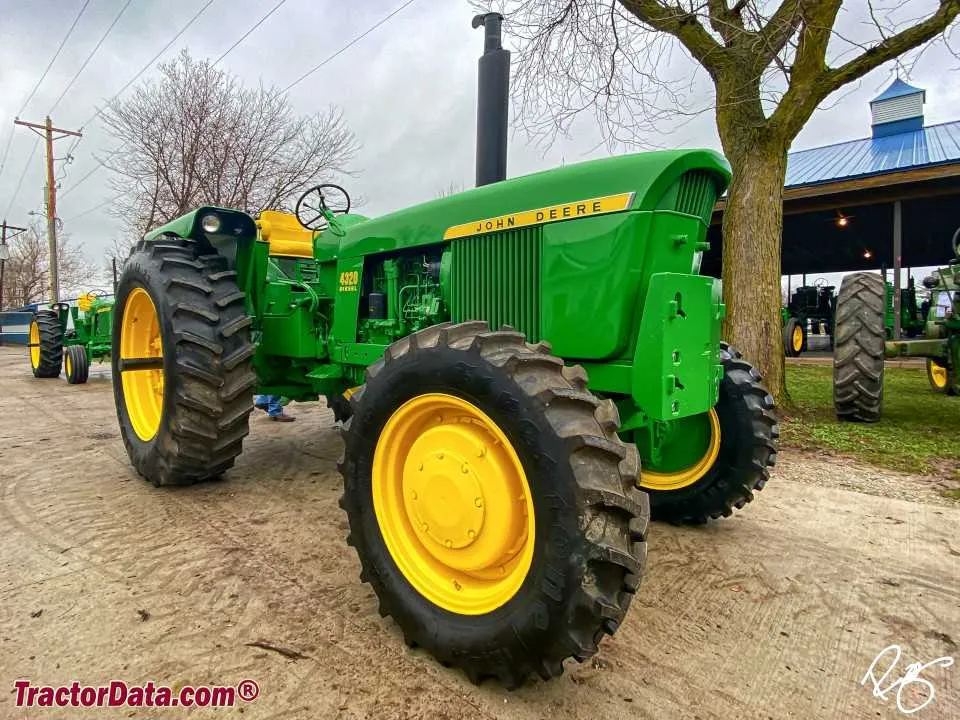
The 1971 John Deere 4020 is a reliable and powerful tractor, known for its robust build and efficient performance. With a 6-cylinder engine, it delivers 95 horsepower, making it ideal for both farm and industrial use. The 4020 model comes equipped with a fuel-efficient diesel engine that offers impressive torque and durability under heavy loads.
This model features a 8-speed transmission, allowing operators to easily adjust to different working conditions. Its hydraulics system is rated at 2,000 PSI, providing ample lifting capacity for various implements and attachments. Whether you’re plowing, tilling, or hauling, the John Deere 4020 remains a top performer in any situation.
The 1971 John Deere 4020 offers a spacious operator station, ensuring comfort during long hours of operation. Its power steering makes maneuvering easier, and the tractor’s ease of use has contributed to its popularity across farms and ranches. In addition to the standard features, buyers can opt for a cab, enhancing the tractor’s usability in harsh weather conditions.
1971 John Deere 4020 Specs
The 1971 John Deere 4020 is a reliable and powerful tractor, ideal for both farming and heavy-duty tasks. With a strong build and solid performance, it offers the perfect balance between efficiency and versatility.
The engine in the 1971 model is a 6-cylinder, 404 cubic inch (6.6L) diesel, producing 95 horsepower at 2,200 RPM. This allows for consistent power delivery for a wide range of farming applications, including plowing, planting, and hauling heavy loads.
- Engine Type: 6-cylinder, diesel
- Displacement: 404 cubic inches (6.6L)
- Horsepower: 95 hp at 2,200 RPM
- Torque: 279 lb-ft at 1,500 RPM
- Fuel Capacity: 26 gallons (98.4 liters)
- Cooling System: Liquid-cooled
The 4020’s transmission system features an 8-speed synchromesh with the option for a 16-speed synchronized transmission, which allows for smoother operation under different loads. It also provides quick shifts between gears, reducing downtime during tasks.
- Transmission: 8-speed synchromesh (optional 16-speed)
- Rear Axle Ratio: 4.3:1
- Clutch: Single dry disc
The 1971 John Deere 4020 is equipped with a dual hydraulic system, which provides 1,800 psi of pressure. This makes it ideal for operating a variety of implements, including loaders and tillers. The hydraulic flow rate stands at 14.9 GPM, ensuring the right amount of fluid to power attachments effectively.
- Hydraulics: Dual system, 1,800 psi
- Flow Rate: 14.9 GPM
- Rear PTO: 540 RPM
- 3-Point Hitch: Category 2
For comfort and ease of use, the 4020 features a well-designed operator platform with adjustable seats and clear controls. With a maximum travel speed of 15 mph, it can cover large areas efficiently without sacrificing maneuverability.
- Max Speed: 15 mph
- Weight: 6,700 lbs (3,039 kg)
- Dimensions: 137 inches (length) x 92 inches (width) x 90 inches (height)
In terms of maintenance, the 4020 is relatively easy to service, with accessible components and common parts. Regular oil changes, fuel filter replacements, and cooling system checks are essential for maintaining optimal performance over the years.
Engine and Power Output of the 1971 John Deere 4020
The 1971 John Deere 4020 is equipped with a robust 6-cylinder, 404 cubic inch (6.6 L) engine. This engine delivers 95 horsepower at the PTO (Power Take-Off) and about 80 horsepower at the engine, offering a reliable balance of power and efficiency for agricultural tasks.
The engine uses a turbocharged design, which enhances its performance, especially in demanding conditions. The combination of fuel efficiency and power makes the 4020 capable of handling a wide range of implements, from plows to cultivators, with ease. The engine operates at a rated speed of 2,200 RPM, maintaining smooth power delivery under heavy loads.
With its advanced fuel system and cooling system, the 1971 4020 is built to endure long hours of operation, ensuring the tractor can perform consistently in various field conditions. The engine’s design provides a stable torque curve, allowing it to maintain strong pulling power without significant fluctuations.
The 4020’s engine output is further optimized by the tractor’s hydraulic system, which provides the necessary force to operate larger implements without compromising engine performance. Whether for light tilling or heavy-duty tasks, the 1971 John Deere 4020 delivers dependable power with minimal downtime.
Transmission Options and Gear Ratios for the 1971 John Deere 4020
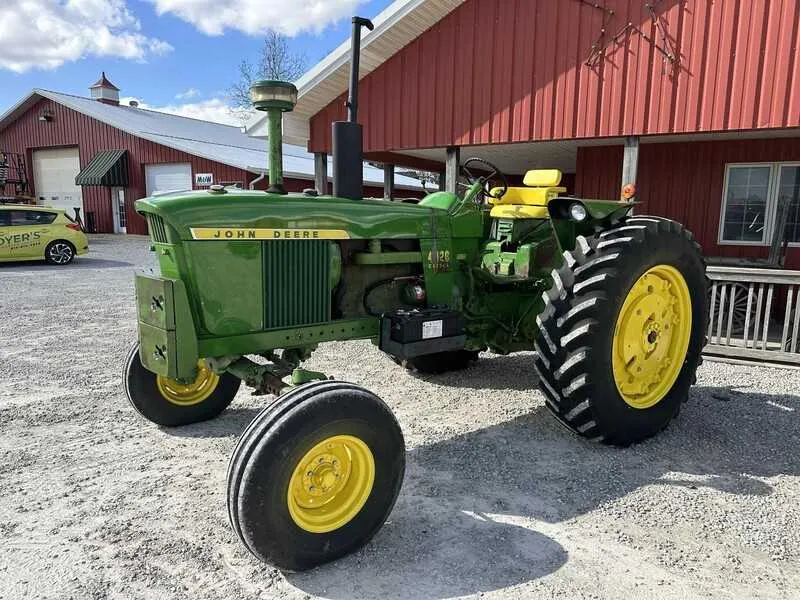
The 1971 John Deere 4020 offers two primary transmission options: the Syncro-Range and the Power Shift transmission. Both provide excellent versatility for a range of agricultural tasks.
The Syncro-Range transmission features 8 forward and 4 reverse gears. With synchronized shifting, the operator can easily change gears without using the clutch when moving forward. This is ideal for tasks requiring frequent shifting, such as plowing or tilling. The gear ratios for the Syncro-Range are:
- 1st Gear: 4.86:1
- 2nd Gear: 2.73:1
- 3rd Gear: 1.83:1
- 4th Gear: 1.37:1
- 5th Gear: 1.09:1
- 6th Gear: 0.86:1
- 7th Gear: 0.72:1
- 8th Gear: 0.62:1
The Power Shift transmission, on the other hand, offers a more advanced feature by allowing gear changes under load. It has 8 forward and 4 reverse speeds, and gear shifts can be made without stopping the tractor. The gear ratios for the Power Shift transmission are slightly different, providing smoother shifts and more efficient power delivery during high-demand operations:
- 1st Gear: 4.86:1
- 2nd Gear: 2.87:1
- 3rd Gear: 1.92:1
- 4th Gear: 1.45:1
- 5th Gear: 1.14:1
- 6th Gear: 0.93:1
- 7th Gear: 0.75:1
- 8th Gear: 0.64:1
The Syncro-Range transmission is best for general farm work where occasional gear shifts are necessary. The Power Shift, however, is a better choice for more intensive tasks, such as pulling heavy loads or operating under varying load conditions, where uninterrupted power and ease of shifting are crucial.
Hydraulic System Capacity and Performance of the 1971 John Deere 4020
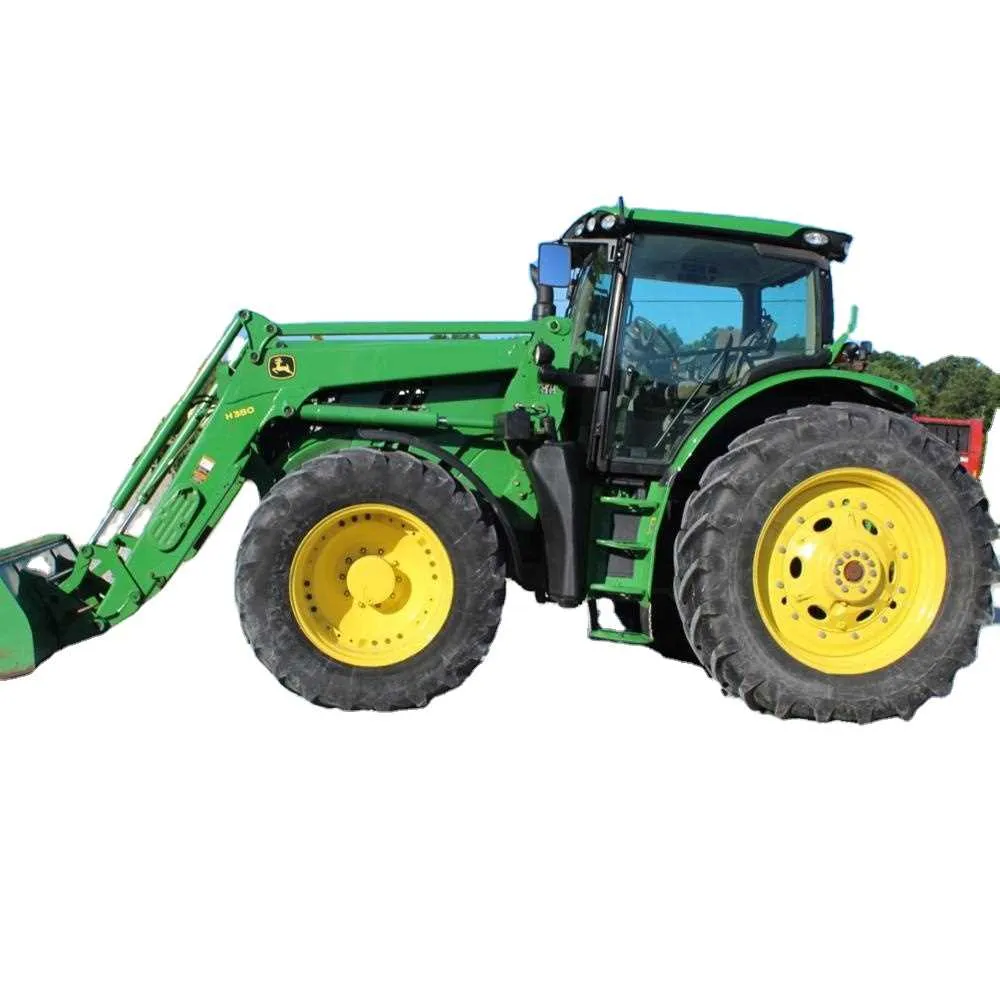
The 1971 John Deere 4020 is equipped with a reliable hydraulic system designed to handle demanding agricultural tasks. The system features a closed-center design with a 2.4-gallon per minute (gpm) flow rate at 2,000 psi, providing the necessary power for implements like plows, discs, and seeders.
The hydraulic reservoir has a capacity of 10.7 gallons, ensuring enough fluid for extended operations without frequent refills. This allows operators to maintain productivity during long working hours, especially when dealing with high-demand implements.
For optimal performance, it’s essential to maintain the hydraulic fluid at the recommended level and replace it periodically to prevent wear and tear. The system also includes an efficient filter that helps maintain clean fluid, reducing the risk of contamination and ensuring smooth operation over time.
The 4020’s hydraulic system is well-suited for a variety of field operations, offering consistent pressure and flow under load. Its design ensures that implements perform at their best, whether you’re using a loader, auger, or mower. However, operators should be mindful of the system’s limits and avoid overloading the tractor, as this can cause unnecessary strain on the pump and valves.
Routine maintenance is crucial for sustaining hydraulic efficiency. Regularly check for leaks, maintain proper fluid levels, and ensure the hydraulic hoses are in good condition. Keeping the system well-maintained will help extend the life of your John Deere 4020 and prevent costly repairs.