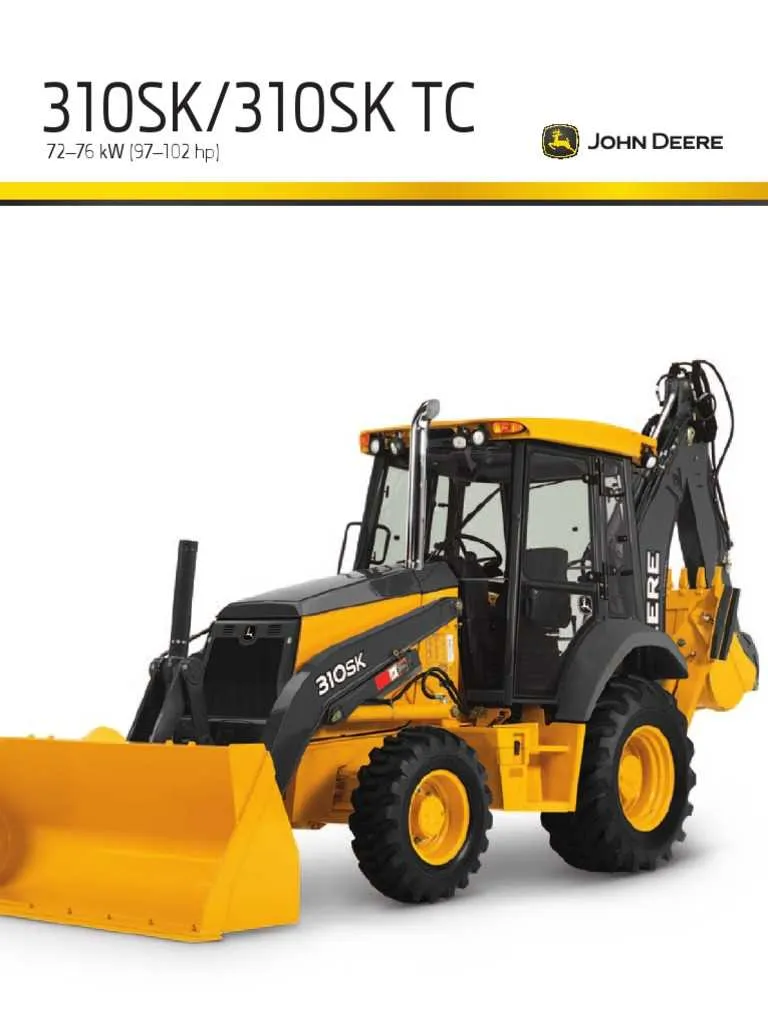
John Deere 310 SK Loader Backhoe Diesel Engine Specifications and Features

If you’re looking for a reliable and powerful loader backhoe, the John Deere 310 SK is a solid choice. Equipped with a high-performance diesel engine, it offers impressive digging power and lifting capacity. This model combines efficiency with durability, making it perfect for demanding tasks.
The John Deere 310 SK features a 4.5-liter, 4045D turbocharged diesel engine that provides 92 horsepower, delivering ample power for various construction jobs. With a maximum digging depth of 14 feet 3 inches, it can tackle both light and heavy-duty tasks with ease. Whether you’re digging trenches or lifting heavy materials, this backhoe gets the job done quickly and effectively.
Maintenance is straightforward, with the engine designed for easy access and servicing. The diesel engine is built to last, ensuring the machine operates smoothly and efficiently over time. For fuel economy, the engine runs on diesel, providing extended operational hours without frequent refueling, reducing downtime on the job site.
With its impressive performance and durable construction, the John Deere 310 SK remains a reliable option for both small and large-scale projects, ensuring your operations run smoothly without sacrificing power or efficiency.
John Deere 310 SK Loader Backhoe Diesel Engine Specifications
The John Deere 310 SK Loader Backhoe is powered by a 4.5L, 4-cylinder, turbocharged diesel engine, offering a balance of power and fuel efficiency for demanding jobs. This engine produces 92 horsepower at 2,200 rpm, providing robust performance for digging, lifting, and other tasks. The engine’s high torque output of 304 lb-ft at 1,400 rpm ensures excellent digging force and efficient operation in tough conditions.
The engine is designed with a direct injection system, which improves combustion efficiency and reduces fuel consumption. It also meets Tier 3 emissions standards, ensuring lower environmental impact while maintaining high performance. The fuel tank capacity of 24.5 gallons (93 liters) allows for longer operating periods between refueling, increasing productivity during extended work hours.
With a displacement of 276 cubic inches (4.5 liters), this engine offers durability and reliability, built to withstand the wear and tear of frequent operation. The John Deere 310 SK’s cooling system efficiently maintains engine temperature, preventing overheating during heavy-duty tasks. The engine also features a large air filter, which enhances the engine’s longevity by preventing dirt and debris from entering the combustion chamber.
Maintenance is simplified with easy access to components such as the oil filter, fuel filters, and air filters. The engine uses a fully integrated electronic fuel system that helps with precise fuel management and diagnostics, ensuring the engine runs smoothly over time.
Engine Performance and Power Output of the John Deere 310 SK
The John Deere 310 SK loader backhoe features a robust diesel engine, delivering strong performance for demanding tasks. Powered by a 4045TF283 engine, it generates 92 horsepower at 2,200 RPM. This engine strikes a balance between power and fuel efficiency, ensuring reliability and reduced operating costs in construction and landscaping applications.
The 310 SK’s engine is built to perform in various environments. It boasts an advanced fuel system designed to provide smooth power delivery while minimizing emissions. With a maximum torque output of 305 lb-ft at 1,400 RPM, the engine offers ample low-end torque, making it highly responsive in heavy-duty digging, lifting, and towing scenarios.
Coupled with a fully automatic transmission, the engine’s output is managed efficiently, providing consistent performance without the need for frequent shifting. This ensures that the operator can focus on the task at hand while the machine adapts to varying load conditions seamlessly.
Its cooling system ensures the engine runs at optimal temperatures, even in challenging environments. This prevents overheating, reducing maintenance requirements and extending the lifespan of the engine. With these performance metrics, the 310 SK stands as a reliable and powerful choice for operators seeking a versatile loader backhoe.
Fuel Efficiency and Maintenance Requirements for the Diesel Engine
The John Deere 310 SK loader backhoe’s diesel engine offers solid fuel efficiency when properly maintained. Regular maintenance can significantly improve fuel consumption and engine longevity.
To optimize fuel efficiency, ensure that the engine air filter is clean and free from debris. A clogged filter reduces airflow and forces the engine to work harder, leading to higher fuel consumption. Replace the air filter at regular intervals to keep the engine breathing freely.
Another key factor is the engine oil. Always use the manufacturer-recommended oil type and change it on time. Dirty oil increases engine friction, which leads to decreased performance and higher fuel usage. The recommended oil change interval for the John Deere 310 SK is usually every 250 hours of operation or according to the specific operating conditions.
Check the fuel system for leaks and blockages. A well-maintained fuel injector ensures that the fuel is delivered efficiently, reducing waste. Clean the fuel injectors regularly to maintain optimal spray patterns and combustion quality.
Tire pressure also plays a role in fuel efficiency. Low tire pressure increases rolling resistance, causing the engine to work harder. Keep the tires properly inflated based on the manufacturer’s recommendations to avoid unnecessary fuel consumption.
Perform regular maintenance on the cooling system, too. A well-functioning radiator and thermostat help the engine maintain optimal operating temperatures, preventing overheating and ensuring the engine runs efficiently, which in turn improves fuel economy.
- Clean air filters
- Regular oil changes with recommended oil
- Check and clean fuel injectors
- Maintain proper tire pressure
- Ensure the cooling system is working properly
By adhering to these maintenance practices, you can keep the diesel engine of the John Deere 310 SK loader backhoe running efficiently, reducing fuel costs and extending the engine’s life. Keep in mind that preventive maintenance is key to avoiding expensive repairs and optimizing fuel economy.
Common Issues and Troubleshooting Tips for the John Deere 310 SK Diesel Engine
If your John Deere 310 SK loader backhoe diesel engine is showing signs of trouble, start by checking the fuel system. A clogged fuel filter can lead to poor engine performance or starting issues. Replace the filter regularly as part of standard maintenance to avoid this. Ensure that fuel lines are free of cracks or blockages that might prevent smooth fuel flow.
In case of difficulty starting the engine, inspect the glow plugs. These can wear out over time, especially in colder climates. Test the glow plugs to see if they are heating properly and replace them if necessary. A faulty glow plug can prevent proper combustion, especially in low temperatures.
Another common issue involves the air intake system. Check the air filter regularly, and replace it when it shows signs of dirt buildup. A clogged filter restricts airflow to the engine, causing it to run inefficiently and potentially leading to overheating.
Overheating is a frequent concern with diesel engines. If the engine is running too hot, check the radiator and coolant levels. Ensure that there is no debris blocking the radiator fins and that the coolant is at the correct level. Low coolant levels or poor circulation can result in engine failure.
If the engine produces excessive smoke, it could be a sign of fuel system problems, such as an injector malfunction. Inspect the injectors for leaks or clogs, and clean or replace them if needed. Excessive black smoke often indicates a fuel mixture that is too rich, while blue smoke points to oil burning.
For performance issues like reduced power or irregular operation, check the turbocharger (if equipped). A malfunctioning turbo can lead to poor engine efficiency. Inspect the turbo for leaks, and ensure the air intake and exhaust pathways are clear.
Lastly, monitor the engine’s electrical system. Faulty wiring or a weak battery can cause starting issues or erratic engine behavior. Check the battery voltage regularly and inspect the wiring for signs of wear or corrosion. Cleaning the battery terminals can prevent starting problems caused by poor electrical connections.